
Espresso vs Drip Coffee: Differences Explained.
If espresso feels stronger than regular drip coffee, you’re not imagining things—but the reason might surprise you.
Many coffee drinkers assume espresso has more caffeine than regular coffee because of its bold flavor and concentrated form. Others wonder whether espresso beans are different from coffee beans, or why a small shot can feel more energizing than a full mug of drip coffee. The truth? Espresso and coffee share the same origin, yet deliver very different experiences.
In this guide, we’ll outline the real differences between coffee and espresso, so you can confidently choose the right cup to fuel your day.
What Is Espresso, Really?
While espresso is coffee, not all coffee is espresso. Confused yet? We’ll break it down. Essentially, espresso refers to the coffee produced through a specific brewing method, rather than a special bean.
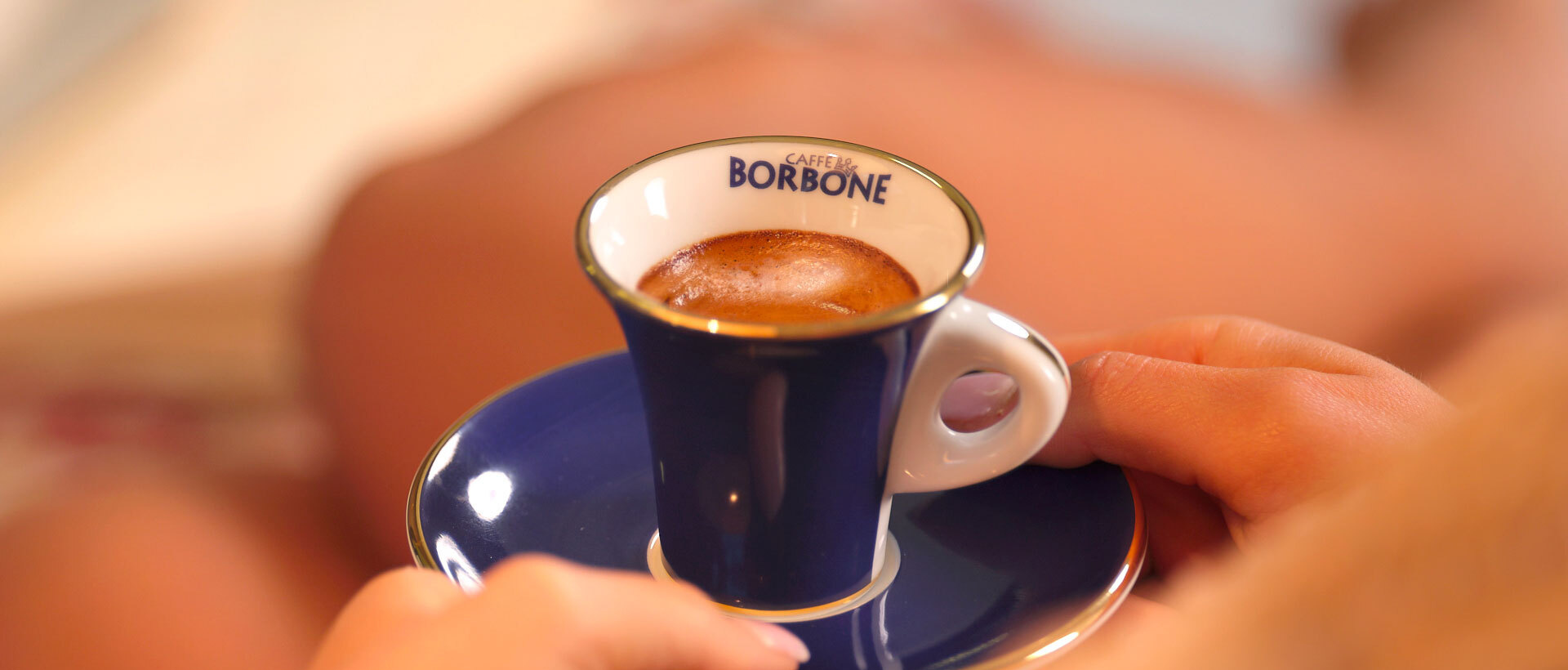
At its core, espresso is a highly concentrated coffee beverage made by forcing hot water through finely ground coffee under pressure. The result is a small, intense shot topped with a golden foam known as crema.
Key Characteristics of Espresso
- Small volume: Typically 1–2 ounces per serving
- Concentrated flavor: Bold, rich, and complex
- High-pressure extraction: Around 9 bars of pressure
- Crema: A creamy layer that adds texture and aroma
The word espresso comes from Italian and loosely translates to “pressed out” or “made quickly.” From the beginning, espresso was designed to be prepared expressly for the drinker, emphasizing speed, precision, and ritual—values that remain central to Italian coffee culture today.
How Espresso Is Made
Espresso brewing is a balance of science and art. While the process is quick, every variable matters.
THE ESPRESSO EXTRACTION PROCESS
- Pressure: High pressure forces water evenly through compacted grounds
- Temperature: Typically between 195–205°F (90–96°C)
- Time: Extraction usually lasts 25–30 seconds
What Is Crema in Espresso?
Espresso's crema is the layer of foam that is produced at the top of the shot of espresso. Crema forms when carbon dioxide trapped in freshly roasted coffee is released under pressure. The gas emulsifies, or mixes, with coffee oils, creating a velvety foam on top of the shot. While not a measure of quality on its own, crema contributes aroma, mouthfeel, and balance.
The Core Elements That Shape Espresso Quality
Great espresso depends on harmony between several elements:
- Coffee selection: Origin, blend, and roast style influence flavor and body
- Grind size: Fine and consistent for even extraction
- Water quality: Clean, filtered water preserves flavor clarity
- Temperature: Stable heat ensures balanced extraction
- Brew ratio: The relationship between coffee and water determines strength
Small adjustments can dramatically change taste, which is why espresso rewards precision.
What Is Drip Coffee?
Drip coffee (also known as brewed coffee) is the most familiar brewing method in North America.
Instead of pressure, drip coffee relies on gravity. Hot water slowly passes through medium-ground coffee held in a filter, extracting flavor over several minutes.
Typical Characteristics of Drip Coffee
- Larger serving size: Usually 8 ounces or more
- Lighter body: Cleaner, less concentrated texture
- Longer extraction time: Slower brewing process
Espresso vs. Coffee: Key Differences at a Glance
While both drinks come from the same coffee beans, they differ in important ways:
- Brewing method: Pressure (espresso) vs. gravity (drip coffee)
- Extraction time: Seconds vs. minutes
- Concentration: Espresso is denser per ounce
- Serving size: Espresso is small and focused; coffee is larger and lighter
- Flavor and texture: Espresso is bold and velvety; coffee is smoother and more diluted
Are Espresso Beans Different Than Coffee Beans?
There is no such thing as a separate espresso bean. All espresso beans are coffee beans. The term “espresso beans” usually refers to how the beans are roasted or blended, not the actual bean itself.
Why Beans Are Labeled “Espresso”
- Roast level: Often medium-dark to dark for lower acidity and deeper flavors
- Solubility: Designed to extract well under pressure
- Flavor development: Chocolatey, nutty, caramelized notes
Arabica vs. Robusta Beans
Arabica: Smoother, more aromatic, lower caffeine
Robusta: Stronger, more bitter, higher caffeine, thicker crema
Some espresso blends include Robusta to enhance body and intensity, especially in traditional Italian-style espresso.
How Much Caffeine is in Espresso vs Coffee?
Here’s where many misconceptions begin.
Typical Caffeine Content
Single espresso shot (1 oz): ~63 mg
Double espresso shot: ~126 mg
Drip coffee (8 oz): ~95 mg
Espresso contains more caffeine per ounce, but less total caffeine per serving than a full cup of coffee.
Why Does Espresso Feel Stronger Than Regular Coffee?
Because espresso is more concentrated, it can seem like it has more caffeine than its drip counterpart. The high concentration of caffeine and fast consumption allow for caffeine to enter the bloodstream faster
Adding milk to espresso (like in a latte or cappuccino) doesn't change the caffeine content, but it does affect how quickly the caffeine will enter the bloodstream.
Common Myths About Espresso and Caffeine
Myth: Espresso has the most caffeine
Fact: Larger coffee servings often contain more total caffeine
Myth: Dark roasts are stronger
Fact: Lighter roasts usually contain slightly more caffeine by weight
Myth: Espresso hits harder because it’s “stronger coffee”
Fact: The rapid consumption and concentration create a faster perceived effect
Frequently Asked Questions
Can you make espresso without a machine?
You can make espresso-style coffee with tools like a Moka pot or AeroPress, but true espresso requires pressure. We love this traditional Italian espresso maker that uses paper pods for easy serving!
Does decaf espresso contain caffeine?
Yes, typically 3–5 mg per shot.
Why does crema matter?
Crema enhances aroma, texture, and balance, and signals proper extraction.
Can any coffee be used for espresso?
Technically, yes, but beans roasted or blended for espresso perform best under pressure.
Choosing the Right Brew for the Moment
Espresso offers intensity, precision, and ritual. Coffee provides comfort, volume, and ease. The right choice depends on your pace, preferences, and the moment you’re brewing for.
At Caffe Borbone, our roots in Italian coffee culture guide everything we do—from blends and capsules to brewing traditions designed to fit modern lifestyles. Whether you prefer a bold espresso or a slow-sipped cup of coffee, there’s a perfect brew waiting for you.