
A Brief History of Italian Espresso
Espresso is the foundation of Italian coffee culture. It’s the purest expression of coffee, and the base of nearly every delicious coffee drink from lattes to Americanos. While espresso is now enjoyed worldwide, its invention and evolution are deeply tied to Italian identity and innovation.
The history of the espresso machine begins in 1884 when Angelo Moriondo received the first patent for a steam-driven coffee machine designed to brew coffee quickly and on demand. Created to serve guests efficiently in his hotels, Moriondo’s invention relied on a large boiler that forced steam and hot water through coffee grounds in bulk, rather than individual shots.
Then, in 1901, during Europe's Industrial Revolution, a Milanese inventor named Luigi Bezzera improved upon Moriondo's design, patenting a new machine designed to brew coffee quickly under pressure. The word espresso in Italian means “express,” reflecting the idea of coffee made fresh, on demand, for each customer. A few years later, Desiderio Pavoni commercialized the invention, bringing the first espresso machines into Italian cafés.
The Rise of Espresso Culture
As the Italian espresso machine grew in accessibility, Italian espresso coffee grew in popularity. Coffeehouses transformed from quiet meeting places into lively bars where workers stopped for a quick, energizing shot. By the 1930s, espresso had become a daily ritual.
The word barista is central to Italian coffee culture. Originally, Italian cafés used the term barman, but the word barista emerged as part of a push to “Italianize” language during the 1930s. And the meaning of the word barista became more than an Italian espresso maker. Baristas were skilled professionals trained in espresso preparation, milk texturing, and machine operation. In Italy, the barista is also a social figure, guiding customers through their coffee experience, maintaining quality, and creating the welcoming, interactive atmosphere that defines the traditional espresso bar.
The modern espresso took shape after World War II, when Achille Gaggia introduced the hand-pumped machine, producing higher pressure and the iconic crema we associate with espresso today. This innovation paved the way for later breakthroughs, including the legendary Faema E61, released in 1961, which helped turn cafés into social hubs and set the standard for modern espresso machines.
The Modern Espresso Bar
The introduction of the Faema E61 marked a turning point in espresso history. Unlike earlier machines, it gave baristas greater control over brewing while featuring a new horizontal boiler design that reshaped café layouts. By moving the machine off its towering vertical stance, the bar became more open and inviting, encouraging interaction between the barista and customers. This shift didn’t just change how espresso was made, but it transformed cafés into social gathering places and helped fuel the rapid spread of espresso bars throughout Italy and beyond.
As espresso grew in popularity, convenience-focused technology followed. Easy serving espresso machines, often designed around pre-measured portions like pods, made it possible to enjoy consistent espresso without advanced training or complex setup. These systems helped bring espresso out of cafés and into homes and offices. These ESE machines preserve flavor and simplify preparation, making espresso even more accessible.
⮞ Shop Italian Espresso Machines
Italian Espresso Today
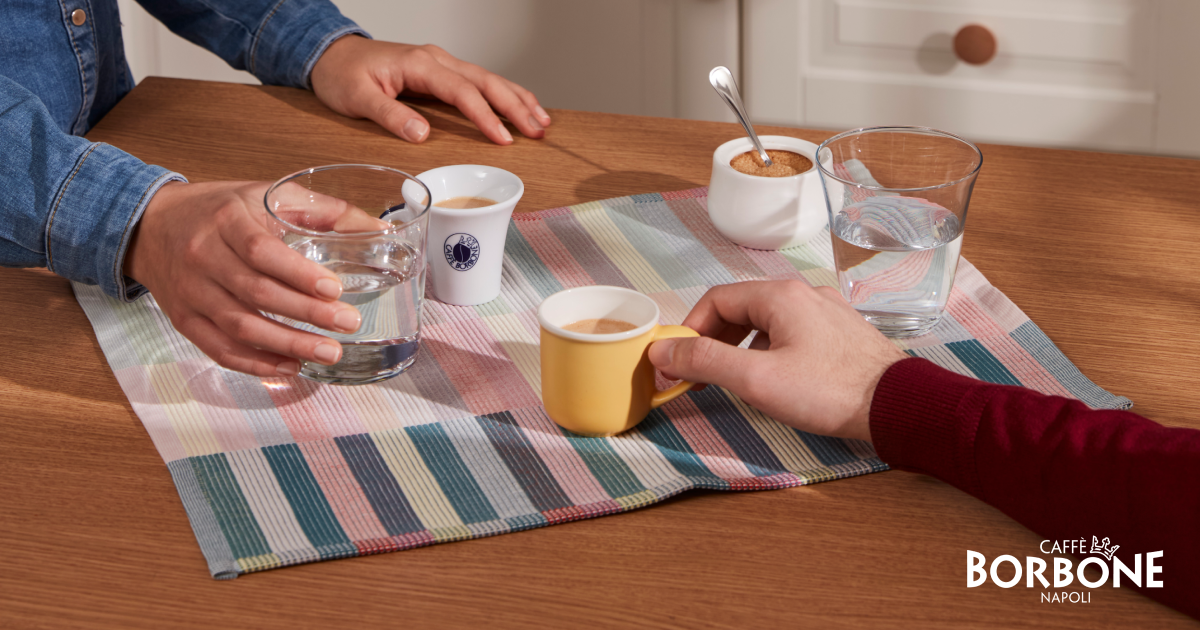
Today, Italian espresso remains rooted in tradition: quick service, bold flavor, and affordability. While coffee trends continue to evolve worldwide, espresso stands as one of Italy’s most enduring contributions to global coffee culture—small in size, rich in history, and unmistakably Italian.