
If you’ve ever shopped for coffee, you’ve probably seen a number on the package, or a scale from 1 to 10, labeled “intensity.” It’s one of the most common (and most misunderstood) terms in coffee.
So what does intensity actually mean? And just as importantly, what doesn’t it mean?
What Is Coffee Intensity?
In simple terms, coffee intensity describes the overall sensory impact of a coffee, such as how bold, rich, and powerful it feels when you taste and smell it.
Intensity is a combination of:
- Aroma – how strong and pronounced the coffee smells
- Body – the weight or texture on your palate (light vs. full-bodied)
- Flavor concentration – how deep and lingering the taste is
A high-intensity coffee (8–10) will typically feel bold, heavy, and persistent, while a low-intensity coffee (1–4) will feel lighter, more delicate, and subtle.
Think of intensity as the difference between a light acoustic song (low intensity) and full, bass-heavy concert experience (high intensity). Both can be great! It just depends on your personal preference or what you’re in the mood for.
Coffee Intensity vs. Coffee Roast Level
One of the biggest misconceptions is that intensity = roast level.
While darker roasts can taste more intense, the two are not interchangeable.
- Roast level refers to how long the beans are roasted (light, medium, dark)
- Intensity refers to how bold and full the coffee feels overall
You can have:
- A medium roast with high intensity (especially with robusta beans)
- A dark roast that tastes surprisingly smooth and low in intensity
Roasting does influence flavor, but it’s just one piece of the puzzle.
Coffee Intensity vs. Caffeine
Another common myth: higher intensity means more caffeine.
Caffeine content depends more on:
- The type of bean (robusta vs. arabica)
- The brewing method
- The serving size
While robusta beans do naturally contain more caffeine and often contribute to higher intensity, the number on the package is not a direct indicator of caffeine strength.
So if you’re choosing a coffee based on a morning energy boost, don’t rely on intensity alone.
→ Read More about Arabica vs Robusta Coffee Beans
What Influences Coffee Intensity?
Several factors work together to create a coffee bean's intensity:
1. Bean Type (Arabica vs. Robusta)
- Robusta: stronger, more bitter, heavier body → higher intensity
- Arabica: smoother, more aromatic, lighter body → lower to medium intensity
Blends with a higher percentage of robusta typically deliver a more powerful cup of strong coffee.
2. Roast Profile
Darker roasts can deepen flavors and add boldness, but again, they don’t define intensity on their own.
3. Origin
Where the coffee is grown affects its natural characteristics. Some regions produce bright, delicate coffees, while others produce deeper, more full-bodied profiles.
4. Brewing Method
Espresso, for example, tends to amplify intensity due to its concentration and pressure-based extraction.
Understanding the Intensity Scale
Most coffee brands like Caffè Borbone use a 1–10 scale to help guide your choice:
- 1–4: Light, delicate, subtle
- 5–7: Balanced, rounded, flavorful
- 8–10: Bold, full-bodied, high impact
While helpful, this scale is still subjective. What feels like a “7” to one person might feel like a “9” to another. Your personal taste always plays a role.
→ Browse More Full-Bodied Coffee from Borbone
Spotlight: Caffè Borbone Espresso Intenso
If you’re looking for a coffee that truly lives up to its name, Espresso Intenso sits firmly at the top end of the intensity spectrum.
Consistently rated at 9/10, it’s designed for those who want a coffee that makes an impression from the very first sip.
How does it compare to other dark roasts?
While many dark roasts rely primarily on heavy roasting to create boldness, Caffè Borbone Intenso achieves its high intensity through composition as well as roast—particularly through its robusta-forward profile.
This results in:
- A full, weighty body
- A thick, long-lasting crema
- Deep, lingering flavors with a strong aromatic presence
In other words, the intensity isn’t just surface-level—it’s built into the structure of the coffee itself.
What does it taste like?
Fans often describe it as a coffee that “hits you in the face” in the best way possible.
You can expect:
- A bold, assertive profile
- Rich, roasted notes with depth
- A powerful aroma that fills the cup (and the room)
It’s a go-to choice for espresso lovers who want something unapologetically strong and satisfying.
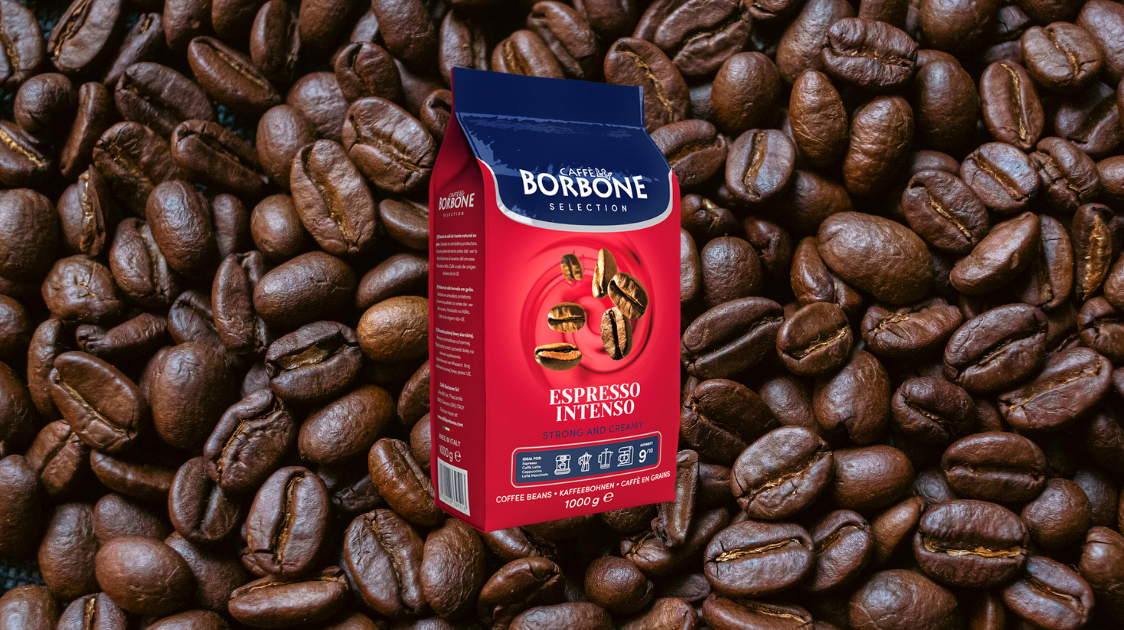
→ Shop Caffè Borbone Espresso Intenso Coffee
Coffee intensity is one of the most useful tools for finding your perfect cup—but only if you understand what it really means.
Remember:
- Intensity is about experience, not just coffee roasting levels or caffeine
- It combines aroma, body, and flavor impact
- It’s influenced by bean type, blend, and brewing method
Whether you prefer something smooth and subtle or bold and commanding, intensity helps guide you.
And if you’re craving a coffee that delivers maximum impact?
A high-intensity blend like Espresso Intenso might be exactly what you’re looking for.
READ MORE FROM THE BORBONE BLOG:
→ Espresso vs Drip Coffee: What's the Difference?