
Elevate Your Baking with DIY Espresso Powder
If you love coffee, there’s a good chance you already know that espresso makes everything better. From brownies to rubs for grilled meats, from tiramisu to your morning smoothie, just a pinch of espresso powder can transform flavor and breathe new life into an old recipe.
But here’s the even better part: you don’t need to buy espresso powder for baking. Instead of spending your time searching where to buy espresso powder, you can make it yourself, at home, with nothing more than leftover grounds and a little patience. It’s sustainable, aromatic, and surprisingly simple.
Let’s brew and bake a batch together.
What Is Espresso Powder?
Despite the name, espresso powder isn’t just finely ground espresso beans. It’s made from espresso grounds that have already been brewed, dried out completely, and ground into a very fine, almost dust-like powder.
Why used grounds?
After coffee has been brewed, the bitterness mellows out and the flavor concentrates, leaving behind rich, deep, chocolate-leaning notes that enhance other ingredients instead of overpowering them.
Homemade espresso powder is an excellent instant espresso powder replacement becaues it's economical, easy, and a great way to reuse coffee grounds!
What You’ll Need for Espresso Coffee Powder
- Brewed coffee or espresso grounds (ideally from a dark roast ground coffee but any roast level will work)
- A baking sheet
- Parchment paper
- Oven
- Coffee grinder or spice grinder
- Airtight jar for storage
That’s it!
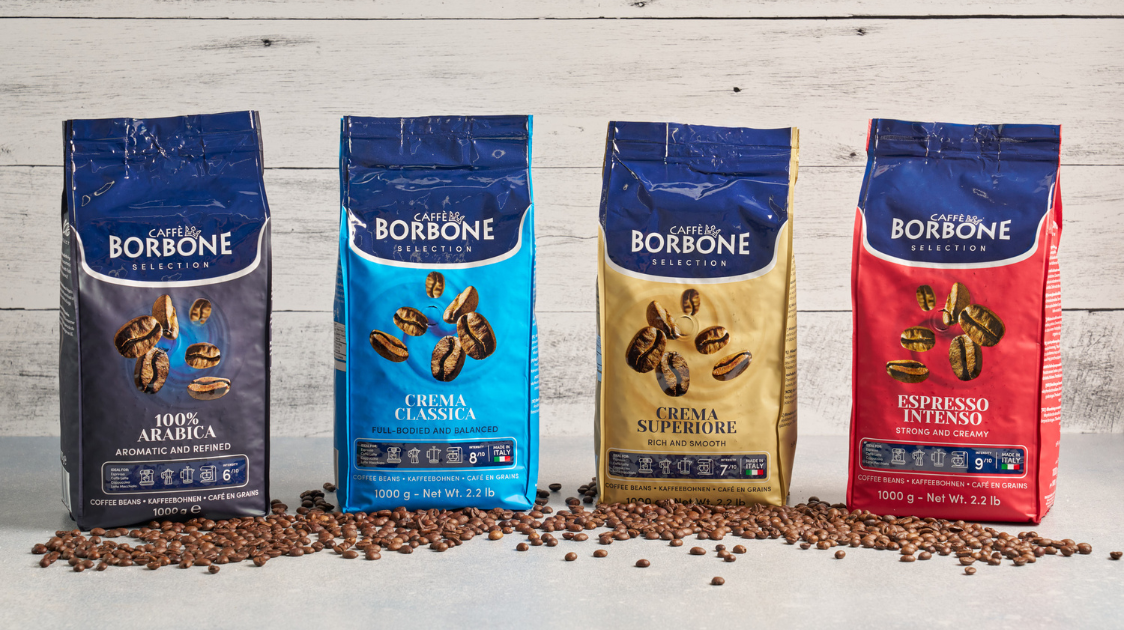
→ Shop Caffè Borbone Whole Bean Coffee
How to Make Espresso Powder at Home
HOW CAN I MAKE ESPRESSO POWDER?
1. Save Your Grounds
This is one of our favorite ways of reusing coffee grounds! After pulling a shot of espresso or brewing a pot of coffee, scoop out the used grounds and spread them onto a parchment-lined baking sheet. Break up any clumps with a fork so they dry evenly.
Pro tip: Collect grounds for a day or two and dry them all at once.
2. Dry Them Low and Slow
Turn your kitchen into a tiny coffee roastery. Place the tray of used grounds in the oven at 175–200°F (80–95°C) for 1–2 hours, stirring every 30 minutes.
You want the grounds completely dry—no moisture or softness. They should feel like tiny pebbles.
3. Grind to a Fine Powder
Once the grounds are bone-dry, let them cool completely. Add them to a clean grinder and pulse until very, very fine (like cocoa powder). If you are using dark roast espresso ground coffee, you may not need to grind them for as long, but if you are starting with coarser grinds, brewed from a pour-over method, french press, or drip coffee machine, you may see larger flecks after your first grind. If you do, just sift and re-grind.
4. Store in a Jar
Transfer your powder into an airtight jar and keep it in a cool, dark cabinet.
It will stay fragrant for up to 6 months, though most bakers and coffee lovers use this instant espresso powder substitute long before then.
How to Use Your Espresso Powder Homemade
Baking with espresso powder adds depth, warmth, and complexity to so many recipes.
Here’s where it shines:
Baking
- Brownies
- Chocolate cake
- Cookies
- Buttercream frosting
- Banana bread
- Chocolate muffins
Just ½–1 teaspoon is enough to make chocolate taste richer without tasting like coffee.
No-Bake Desserts
- Tiramisu
- Chocolate pudding
- Whipped cream
- Hot cocoa
Savory Dishes
- Dry rubs
- Chili
- Braised meats
- BBQ sauces
Try adding a teaspoon for added smokiness.
Drinks
- Smoothies
- Milkshakes
- Homemade lattes
- Espresso martinis
Can You Make Decaf Espresso Powder?
If you love the flavor of espresso but prefer to keep caffeine to a minimum, you might be looking for a substitute for espresso powder. You’re in luck! DIY espresso powder works beautifully with decaf.
The process is exactly the same: brew your decaf espresso, collect the spent grounds, dry them low and slow, and grind them into a fine powder. What you get is all the deep, chocolatey, roasted flavor you love, without the buzz.
Decaf espresso powder is perfect for evening baking, late-night hot chocolate, caffeine-sensitive guests, or recipes where you want that rich coffee depth without adding extra caffeine. And because decaf beans tend to lean sweet and mellow, the final flavor is incredibly smooth.
Espresso Powder vs. Instant Coffee: What’s the Difference?
Although they sound similar, espresso powder and instant coffee are not the same thing, and knowing the difference can make a big impact on your baking and cooking.
Espresso Powder
- Made from brewed espresso grounds that are dried and ground extremely fine.
- Intensely aromatic, with deep, roasted, slightly caramelized notes.
- Blends well into batters, doughs, rubs, and frostings.
- Used primarily as a flavor enhancer, especially in chocolate-based recipes.
- Less bitter, with a smoother flavor.
Instant Coffee
- Made by freeze-drying brewed espresso or coffee into granules.
- Designed to be dissolved in hot water to make a quick espresso-like drink.
- Has a stronger coffee taste, sometimes sharper or more bitter.
- Granules don’t always dissolve smoothly in thicker batters or frostings.
- Better for beverages than for refined baking.
DIY Espresso Powder vs. Store-Bought Instant Espresso Powder
The differences come down to personal preference. Most store-bought instant espresso powder is prepared like a strong instant coffee (freeze-dried liquid). The flavor of store-bought espresso powder will be more concetrated, whereas the flavor of homemade powder may be more subtle. Homemade espresso powder is a great choice when you want to elevate chocolate flavor, but perhaps not if you want a bitter coffee flavor in your bake.
Other pros for DIY:
- Zero waste — If you've found yourself wandering "Can you reuse coffee grounds?", this recipe is for you! Upcycling spent grounds is always a plus
- Nuanced flavor — Homemade is mellow and rich.
- Versatility — DIY Espresso Powder is easy to make decaf, whereas store-bought decaf espresso powder may be more difficult.
→ Shop Caffè Borbone Ground Coffee and Espresso
DIY espresso powder is one of those small kitchen tricks that instantly elevates your cooking. It’s aromatic, versatile, easy to make, and gives your recipes that “something special” to wow your guests. Plus, making it is almost as fun as baking with it!
Whether you're looking to reuse dark roast espresso ground coffee from your espresso machine or light roast coffee brewed in your French press, this recipe can give your coffee grounds a second life. In a world that rushes forward, DIY espresso powder is a reminder that flavor doesn’t always come from buying more.
So the next time you brew your espresso, don’t toss the grounds. Transform them.