
Take a sip of espresso in Italy, and you may notice that it might taste a bit different than the espresso you drink elsewhere.
Italian espresso is often fuller-bodied, lower in perceived acidity, and more intensely roasted, with familiar notes of chocolate, toasted nuts, caramel, and spice. It has a distinctive richness that stands up beautifully on its own, but also holds its character when paired with milk in a cappuccino or latte.
So what creates that unmistakable Italian espresso experience?
It starts with the beans, but the story doesn't end there.
1. The Blend
One of the biggest differences you'll find in traditional Neapolitan espresso is the use of coffee blends rather than relying exclusively on a single origin or variety.
Arabica and Robusta are the two major coffee species used in espresso, and they bring very different characteristics to the cup.
Arabica is known for its aromatic complexity, sweetness, and often brighter acidity.
Robusta tends to bring more body, intensity, and a stronger, more pronounced character. It can also contribute to the dense crema that makes a traditional espresso so visually distinctive.
By combining the two, Italian roasters can create a coffee with balance, body, aroma, and intensity.
That's particularly important for espresso.
A good espresso isn't just about how the coffee tastes by itself. It needs enough structure to remain flavorful when you add steamed milk, water, or sugar.
Why Robusta Matters
Robusta sometimes gets a bad reputation among coffee drinkers because specialty coffee culture has historically placed a strong emphasis on high-quality Arabica.
But Robusta isn't automatically inferior coffee.
In the right blend, it can be an important part of the flavor profile.
Robusta can contribute:
- Fuller body
- More intensity
- A stronger espresso character
- A more substantial mouthfeel
- Dense, persistent crema
That's one reason traditional Italian espresso blends can taste so different from lighter, predominantly Arabica specialty coffees.
2. Italian Espresso Favors Body Over Bright Acidity
In a modern specialty coffee shop, and you may find espresso with tasting notes like:
blueberry, citrus, jasmine, stone fruit.
Those coffees can be complex and delicious, but they're very different from the traditional Italian espresso profile.
Italian-style espresso generally places greater emphasis on body, richness, sweetness, and roast character.
Instead of highlighting bright acidity and delicate fruit flavors, traditional roasting and blending can bring forward notes reminiscent of dark chocolate, toasted nuts, caramel, cocoa, or spice.
The result is a cup that feels rich and rounded rather than light and fruit-forward.
That doesn't mean Italian espresso is supposed to taste burnt or overwhelmingly bitter. A well-made espresso should still have balance. The goal is intensity with harmony.
3. Roast Level Changes Everything
Roasting is where the green coffee bean is transformed into the aromatic coffee we know. And the degree of roasting has a major influence on the final flavor.
Lighter roasts tend to preserve more of the bean's brighter, fruitier characteristics. As roasting progresses, the flavor profile develops toward deeper notes associated with caramelization and roasting, including chocolate, toasted bread, nuts, and spice.
Traditional Italian espresso is often associated with medium-dark to dark roasting, although Italian roasters don't all use the same roast profile.
That deeper roast is part of what creates the bold, familiar flavor many people associate with Italian coffee.
Slow Roasting, Deep Flavor
Roasting isn't simply about making coffee darker. The process develops hundreds of aromatic compounds that contribute to the finished flavor. A carefully controlled roast can bring out the sweetness and depth that make an espresso taste rich and satisfying.
That's why a traditional Italian espresso can have that unmistakable bittersweet chocolate and toasted caramel character.

4. Espresso Is Designed to Be Concentrated
The word espresso refers not only to the coffee itself, but to a specific style of preparation. Finely ground coffee is brewed under pressure, producing a concentrated beverage with a layer of crema on top.
Modern espresso machines typically operate around 9 bars of pressure during extraction, although the exact pressure profile can vary depending on the machine and brewing approach.
That pressure, combined with a fine grind, controlled water temperature, and carefully managed extraction time, helps create espresso's concentrated flavor and characteristic body.
But even the best machine can't compensate for a coffee blend and roast profile that aren't designed for espresso. The coffee and the extraction method have to work together.
5. Crema Is Part of the Experience
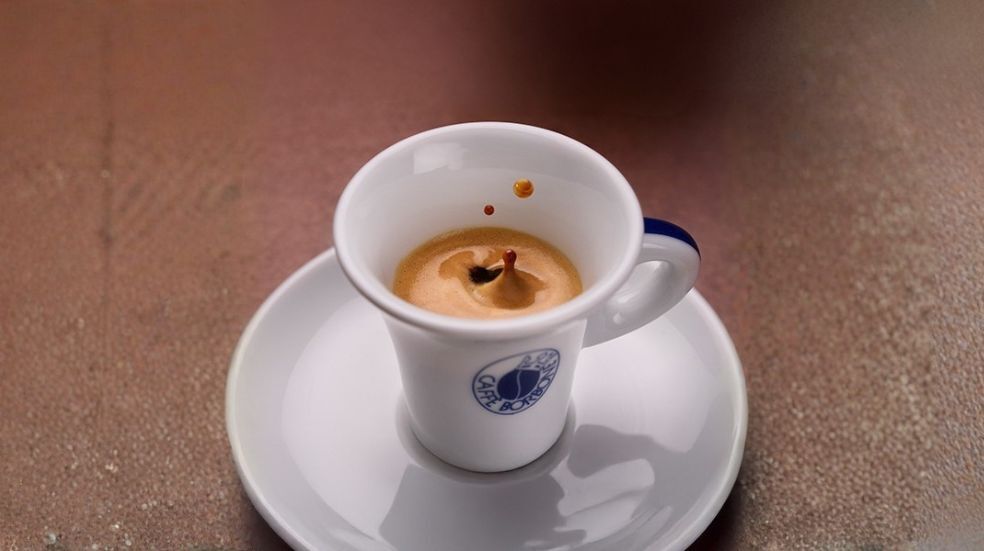
One of the first things you'll notice about a traditional Italian espresso is the crema. That golden-brown layer sitting on top of the espresso is an essential part of the sensory experience, contributing aroma, texture, and visual appeal.
Coffee composition plays a role here, too. Robusta tends to produce more crema than Arabica, which is one reason blends containing Robusta can create the thick, persistent crema associated with traditional espresso.
6. Why Do Italians Add Sugar to Espresso?
If you've ever watched someone enjoy an espresso in Italy, you may have noticed them reach for a small packet of sugar.
For some coffee drinkers, adding sugar is simply a matter of personal preference. But sugar can also change the sensory experience of a strongly roasted espresso, softening perceived bitterness and emphasizing its sweeter, caramelized flavors.
There isn't one "correct" way to drink Italian espresso. The best way is the way you enjoy it.
8. Italian Espresso Isn't About Being Bitter
Strong doesn't have to mean bitter. A traditional Italian espresso can be intense without tasting harsh. The combination of blend, roast, grind, extraction, and preparation should create balance.
Think of it like dark chocolate. Dark chocolate has bitterness, but it can also have sweetness, richness, nuttiness, and complexity. Italian espresso often works the same way.
The bitterness is part of the profile, but it shouldn't be the entire experience.
So, What Makes Italian Espresso Taste Italian?
There's no single ingredient or secret. Italian espresso is a combination of the blend, the roast, the extraction, and the culture surrounding the cup.
Traditional Italian espresso often brings together the body of Robusta, the aromatic qualities of Arabica, deeper roasting, concentrated extraction, and a coffee culture built around enjoying espresso as part of everyday life.
Discover the Italian Espresso Tradition
At Caffè Borbone, our coffee is rooted in the Neapolitan tradition. Explore our Italian coffee blends and discover the flavor profile that makes traditional Neapolitan espresso so distinctive.