
Although electric coffee makers have become a staple in many kitchens, the traditional moka pot coffee remains one of the most beloved ways to brew coffee at home. Invented in Italy and cherished by generations of coffee lovers, this Italian stovetop coffee maker creates a rich, full-bodied coffee that bridges the gap between drip coffee and espresso.
If you're using a new moka pot for the first time, a little preparation can go a long way toward achieving the perfect brew. From choosing the right coffee to properly caring for your brewer, here's everything you need to know.
Choosing the Best Coffee for Moka Pot
The coffee you use plays a major role in the quality of your brew. Before preparing your moka pot, consider the following:
Coffee Grind Size Matters
A moka pot performs best with medium-fine coffee grounds. Coffee that is too coarse can produce a weak, under-extracted brew, while coffee that is too fine can slow water flow, create bitterness, and potentially clog the filter. Always ensure your moka pot coffee grind size is optimal before brewing!
Fresh Italian Coffee Makes a Difference
Whenever possible, grind whole coffee beans just before brewing. Freshly ground coffee preserves more of the aromatic compounds that contribute to flavor and aroma, resulting in a more vibrant cup. We recommend purchasing your coffee from reputable Italian coffee brands like Caffè Borbone.
Finding the Right Balance
Using the correct grind size and fresh coffee helps ensure proper extraction. This allows the moka pot to produce a balanced brew that highlights the coffee's natural flavors without becoming overly bitter or watery.
→ Shop Caffè Borbone Whole Bean Coffee
What Coffee Works Best in a Moka Pot?
BEST MOKA POT COFFEE
A moka pot produces a rich, concentrated cup of coffee, making coffee selection especially important. While personal preference always plays a role, medium and medium-dark roasts are often considered ideal for moka pot brewing because they balance sweetness, body, and complexity.
Ideal Grind Size for a Moka Pot
The best grind size for a moka pot is medium-fine—slightly coarser than espresso but finer than drip coffee. This allows water to pass through the coffee bed at the proper rate, producing a full-bodied cup without excessive bitterness or under-extraction.
Coffee that is ground too fine can restrict water flow and create a harsh, bitter flavor, while coffee that is too coarse may result in a weak or watery brew.
Choosing the Right Roast Level
Medium Roast
- Balanced flavor and acidity
- Highlights origin characteristics and sweetness
- Ideal for drinkers who enjoy a smoother, more nuanced cup
Medium-Dark Roast
- Fuller body and richer mouthfeel
- Notes of chocolate, caramel, and toasted nuts become more pronounced
- Excellent for milk-based drinks such as cappuccinos and lattes
Dark Roast
- Bold flavor with lower perceived acidity
- Produces an intense, robust cup
- Preferred by those who enjoy traditional Italian-style coffee
Our Recommendations
For a balanced and flavorful moka pot coffee, try Crema Superiore Whole Bean Coffee. Its Arabica-forward blend delivers a rich body with smooth character, making it well-suited for stovetop brewing. Grind the beans to a medium-fine consistency just before brewing for the freshest flavor.
If you prefer a stronger, more traditional Italian-style cup, Espresso Intenso Whole Bean Coffee offers a bolder profile with a higher Robusta content that creates a fuller body and more intense flavor.
The Perfect Brew: Water and Coffee Ratios
Achieving a great cup of coffee with a moka pot starts with proper measurements.
Coffee-to-Water Ratio
A good starting point is approximately 1 to 2 tablespoons of ground coffee for every 3 ounces of water. Feel free to adjust according to your personal taste preferences.
Fill Water Correctly
Pour water into the bottom chamber and stop just below the safety valve. Overfilling the chamber can interfere with brewing performance and create excess pressure.
Fill the Filter Basket Properly
Fill the coffee basket completely with ground coffee, but do not tamp or press it down. Unlike espresso machines, moka pots rely on gentle water pressure. Compressing the grounds can restrict water flow and negatively impact extraction.
How to Use a Moka Pot for the First Time
Before brewing your first cup, it is important to follow these coffee moka pot instructions to prepare your new moka pot to remove any manufacturing residues and help season the brewer.
Step 1: Wash the Moka Pot
Disassemble the moka pot and wash all components thoroughly with warm water. This removes any dust, oils, or residues left behind during manufacturing and packaging.
Step 2: Run Water Through the Brewer
Fill the lower chamber with water up to the safety valve, but leave the filter basket empty. Assemble the moka pot and allow it to brew as normal.
Discard the water and repeat this process at least twice. This helps flush out any remaining manufacturing residues.
Step 3: Season the Moka Pot
Next, prepare two or three small batches using a small amount of coffee. These brews should be discarded.
During this process, coffee oils begin coating the interior surfaces of the brewer, helping eliminate any residual metallic taste and preparing the moka pot for regular use.
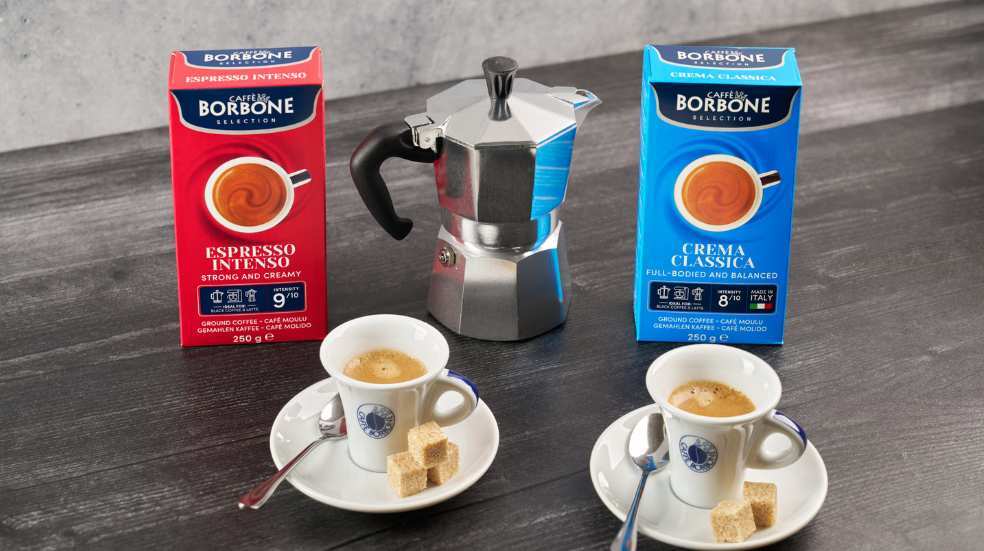
How to Clean a Moka Pot
How do you clean a moka pot? Proper maintenance keeps your moka pot brewing consistently great coffee while extending its lifespan.
Clean After Every Use
Allow the moka pot to cool completely before disassembling it. Rinse all components with warm water to remove coffee oils and residue.
Many traditional coffee enthusiasts recommend cleaning with water only. However, occasional cleaning with a small amount of mild dish soap is perfectly acceptable. If soap is used, rinse every component thoroughly to ensure no detergent residue remains behind.
Understand Your Moka Pot Material
Not all moka pots are made from the same materials.
Aluminum moka pots require extra care because they are more susceptible to oxidation, staining, and corrosion if moisture is left behind. Thorough drying is especially important.
Stainless steel moka pots are generally more durable and resistant to rust and discoloration, but they should still be cleaned and dried properly after use.
Moka Pot + Dishwasher = Disaster
Regardless of material, moka pots should never be placed in a dishwasher. Harsh detergents, high heat, and prolonged exposure to water can damage finishes, compromise gaskets, and shorten the life of the brewer.
Descale Regularly
Mineral deposits can build up over time, especially when using hard water. Follow the manufacturer's recommendations for descaling to keep water flowing properly and maintain brewing performance.
Inspect the Gasket
The rubber gasket creates the seal necessary for proper pressure during brewing. Over time, it may become brittle, cracked, or worn.
Inspect the gasket regularly and replace it when signs of wear appear to ensure optimal performance.
Store Properly
Always allow every component to dry completely before storing. To promote airflow and prevent trapped moisture, store the moka pot loosely assembled or with the top chamber slightly open.
Common Moka Pot Mistakes to Avoid
Even experienced coffee drinkers can run into problems with moka pot brewing. Avoid these common mistakes:
Skipping the Initial Cleaning
Always clean and season a new moka pot before brewing your first cup.
Using the Wrong Grind Size
Coffee that is too coarse can taste weak, while coffee that is too fine can create bitterness and slow extraction.
Tamping the Coffee
Do not press the grounds down in the filter basket. A level, loosely filled basket allows water to flow properly through the coffee.
Overfilling the Water Chamber
Never fill water above the safety valve. Doing so can interfere with pressure regulation and brewing performance.
Storing a Damp Moka Pot
Residual moisture can lead to unpleasant odors, mold growth, or corrosion, particularly in aluminum brewers.
Frequently Asked Questions
How much coffee should I use in a moka coffee pot?
A good starting point is 1 to 2 tablespoons of coffee per 3 ounces of water, though you can adjust the ratio based on your preferred strength.
Can I use regular ground coffee in a moka pot?
Yes. A medium-fine grind works best and is commonly available as standard ground coffee.
Should I tamp the coffee in a moka pot?
No. Unlike espresso preparation, tamping coffee in a moka pot can restrict water flow and negatively affect extraction.
How to use a moka pot for espresso and is moka pot coffee as strong as espresso?
Moka pot coffee is rich, concentrated, and full-bodied, but it is not true espresso. Espresso machines use significantly higher pressure, resulting in a more concentrated beverage with a thicker crema.
Enjoy the Tradition
While the best method to brew coffee is subjective, the moka pot has remained a favorite brewing method for nearly a century because it consistently delivers rich, flavorful coffee with minimal equipment. By choosing the right coffee, preparing your brewer properly, and maintaining it with care, you'll enjoy delicious moka pot coffee for years to come.