
Hosting brunch, planning a holiday gathering, or preparing coffee for the office? When you're making coffee for a crowd, a little planning goes a long way. You want enough coffee for everyone, a consistent flavor from the first cup to the last, and a setup that lets you enjoy the gathering instead of spending the entire morning brewing.
The good news? You don't need professional barista equipment to serve great coffee to a group. With the right coffee-to-water ratio, a brewing method that fits your headcount, and a plan for keeping everything warm, you can make coffee for a crowd without the stress.
Whether you're hosting a family holiday breakfast or organizing a large event, this guide covers everything you need to know about brewing coffee for a group.
How Much Coffee Do You Need for a Large Group?
Before choosing your brewing method, estimate how much coffee your guests are likely to drink. The number of people attending is a good starting point, but the size of each serving and whether guests will want seconds matter, too.
For planning purposes, assume each serving is 8 fluid ounces. Keep in mind that many traditional drip coffee makers use a smaller 5- or 6-ounce measurement for each advertised "cup."
A reliable starting point for drip coffee and other immersion brewing methods is a coffee-to-water ratio of approximately 1:15 by weight. That means using 1 gram of ground coffee for every 15 grams of water.
Coffee-to-Water Ratio Cheat Sheet
|
Servings (8 oz. each) |
Water Needed |
Ground Coffee at 1:15 |
|
5 cups |
1.18 L |
79 g |
|
10 cups |
2.37 L |
158 g |
|
15 cups |
3.55 L |
237 g |
|
20 cups |
4.73 L |
316 g |
|
30 cups |
7.10 L |
473 g |
|
50 cups |
11.83 L |
789 g |
These amounts are starting estimates for regular-strength brewed coffee. Adjust them based on your preferred strength, brewing equipment, and guests' preferences.
Planning tip: If you're hosting a brunch or holiday gathering, consider preparing about 20% more than your initial estimate. This gives you a little extra for guests who want a refill without requiring you to brew an entirely new batch at the last minute.
1. Choose the Right Brewing Method for Your Group
The best way to make coffee for a large group depends on how many people you're serving, what equipment you have, and how much time you want to spend preparing.
Here are four practical approaches to consider.
Batch Drip Coffee: Best for Everyday Gatherings
For most households, a drip coffee maker is the easiest way to prepare coffee for a group. It's familiar, straightforward, and well suited to serving multiple people at once.
A standard home coffee maker may be sufficient for a small brunch or family gathering. For a larger event, a high-capacity brewer can help you prepare more coffee in fewer batches.
How to get the best results:
- Measure your water and coffee rather than estimating by eye.
- Choose a grind appropriate for your brewer, typically medium for standard drip coffee.
- Distribute the grounds evenly in the filter basket.
- Brew according to your machine's instructions.
- Transfer the finished coffee to a thermal carafe if it won't be served immediately.
Batch drip brewing works particularly well when guests arrive over a period of time, since you can prepare one batch while another is being served.
French Press: Best for Smaller, Intimate Gatherings
A French press is a good option for a smaller group when you want a fuller-bodied cup of coffee. Because the brewing process involves steeping the grounds directly in hot water, it also gives you flexibility when adjusting the strength.
For a 1-liter French press, start with approximately 65–67 grams of coffee and 1 liter of water for a ratio close to 1:15.
How to brew:
- Add coarsely ground coffee to the French press.
- Pour in hot water, ensuring all the grounds are saturated.
- Stir gently and place the lid on the press.
- Let the coffee steep for about four minutes, adjusting to taste.
- Press the plunger slowly and pour the coffee into a separate thermal carafe.
If you're making coffee for more than a few guests, consider using multiple presses or brewing successive batches.
One important detail: don't leave the coffee sitting in the French press for an extended period after brewing. Continued contact with the grounds can affect the flavor.
Large-Batch Pour-Over: Best for Coffee Enthusiasts
Pour-over brewing offers control over extraction and can produce a clean, balanced cup. However, it requires more hands-on attention than drip brewing, so it's generally better suited to smaller gatherings or events where coffee preparation is part of the experience.
If you're serving a group with a large pour-over brewer, check its recommended capacity before scaling up your recipe.
For consistent results:
- Use a medium grind suited to your brewer and filter.
- Wet the grounds evenly before continuing the pour.
- Add water in controlled, steady pours rather than flooding the filter.
- Avoid overfilling the brewer, which can lead to uneven extraction.
- Transfer the finished coffee to a thermal carafe for serving.
For a large party, brewing multiple smaller batches may produce better results than trying to prepare one oversized pour-over.
Coffee Urns and Commercial Brewers: Best for Large Events
If you're serving dozens of guests at a conference, wedding, office meeting, or community event, a commercial batch brewer or coffee urn may be the most practical solution.
These options are designed to handle larger quantities and reduce the number of brewing cycles required.
Before the event, confirm the equipment's actual capacity and brewing instructions. Coffee urns and percolators may require different coffee quantities and methods than standard drip machines.
For the best flavor, avoid leaving brewed coffee on a heated surface longer than necessary. If your equipment supports it, transfer finished coffee to insulated airpots or thermal dispensers and replenish them as needed.
This keeps serving simple and allows guests to help themselves.
2. How to Calculate Coffee for Any Group Size
Once you know how much coffee you need, scaling the recipe is straightforward.
For a consistent starting point, use this formula:
Ground coffee in grams = water in grams ÷ brewing ratio
For example, let's say you're hosting 25 people and expect each person to drink one 8-ounce serving.
Step 1: Calculate the total water.
25 servings × 237 grams of water per serving = approximately 5,925 grams of water.
Step 2: Calculate the ground coffee.
5,925 ÷ 15 = 395 grams of ground coffee.
You'll need approximately 395 grams of ground coffee to prepare 25 eight-ounce servings at a 1:15 ratio.
If you expect most guests to have a second cup, plan for 50 servings instead. That would require approximately 790 grams of coffee and 11.85 liters of water at the same ratio.
Should You Make Your Coffee Stronger or Weaker?
The 1:15 ratio is a useful starting point, not a strict rule. Your preferred strength, coffee blend, and brewing equipment all influence the final result.
- For a stronger cup: Try a 1:14 ratio, using more coffee relative to the water.
- For a more delicate cup: Try a 1:16 ratio, using slightly less coffee relative to the water.
- For a balanced starting point: Begin at 1:15 and adjust after tasting.
When brewing for a crowd, it's usually better to choose a balanced recipe and offer milk, cream, sugar, and other additions separately. That way, guests can customize their own cups.
3. Choose the Right Coffee for Your Guests
The brewing method is only part of the equation. The coffee itself has a major impact on the experience, especially when you're serving a group with different preferences.
If you're unsure what everyone likes, choose a versatile blend and make a second option available if your equipment and budget allow.
Medium Roast: A Versatile Crowd-Pleaser
Medium roasts can be a great choice for gatherings because they offer a balanced flavor profile that works well for everyday drinking.
Caffè Borbone Crema Superiore is an Arabica-forward medium roast blend with notes of chocolate, brown sugar, and toasted almonds, complemented by subtle spice undertones.
It's a good option for hosts who want to serve a flavorful coffee that can be enjoyed black or with milk.
Medium-Dark Roast: For a More Pronounced Coffee Flavor
For guests who prefer a more pronounced flavor, a medium-dark roast can be a welcome alternative.
Caffè Borbone Italian Roast is a medium-dark Arabica and Robusta blend with notes of red berries, caramel, and nutty undertones. It's a useful option for a morning gathering where guests may enjoy a more pronounced coffee profile.
Espresso: For a Coffee Bar Experience
If you're hosting a smaller gathering and have an espresso machine, consider setting up a simple coffee bar.
You can prepare espresso-based drinks individually, offering cappuccinos, lattes, or Americanos according to your guests' preferences. Keep in mind that this approach requires more hands-on preparation than brewing a large batch of drip coffee.
For larger groups, a batch of brewed coffee alongside an espresso station can offer variety without making every drink to order.
4. Keep Coffee Hot Without Sacrificing Flavor
You've calculated the amount, chosen your coffee, and finished brewing. Now comes another challenge: keeping it warm until everyone has had a chance to enjoy a cup.
The key is to retain heat without continuing to cook the coffee.
Use Thermal Carafes or Insulated Dispensers
Thermal carafes and insulated beverage dispensers help retain heat without relying on a hot plate. They're particularly useful when guests arrive at different times or serve themselves throughout an event.
Preheating the container with hot water before adding the coffee can also help reduce initial heat loss.
Brew in Manageable Batches
It may seem easier to prepare all your coffee at once, but smaller batches can help preserve flavor and freshness.
For example, if you're serving 30 guests over two hours, you could prepare an initial batch for the first wave of guests and brew another batch before the first one runs out.
This reduces the amount of coffee sitting for an extended period and gives guests a better chance of enjoying a fresh cup.
Keep Milk and Cream Separate
If you're setting up a self-serve station, keep milk, cream, and other additions separate from the brewed coffee. This allows guests to customize their drinks and helps you maintain the quality of the main batch.
For dairy and other perishable additions, follow appropriate food-safety guidance for storage and serving.
5. Set Up a Self-Serve Coffee Station
A well-organized coffee station makes serving a crowd much easier. Instead of preparing each cup individually, you can let guests help themselves while you focus on hosting.
Here's what to include:
-
Freshly brewed coffee: Choose one or two blends that suit your guests.
-
Thermal carafes or dispensers: Keep coffee warm and easy to pour.
-
Cups and lids: Provide enough for the expected number of servings, plus extras.
-
Milk and cream: Offer a couple of options if possible.
-
Sweeteners: Include sugar, a sugar alternative, and simple syrup if appropriate.
-
Stirrers and napkins: Keep everything within easy reach.
-
Labels: Identify each coffee option so guests know what they're pouring.
If you're serving both regular coffee and decaf, label the dispensers clearly to avoid confusion.
For holiday gatherings, you can also add cinnamon, cocoa powder, or flavored syrups for guests who enjoy customizing their drinks.
6. Don't Forget Convenient Coffee Options
Not every event requires a large pot of coffee. Depending on the size of your gathering and the equipment available, single-serve options can make preparation easier.
K-Cup® Compatible Pods
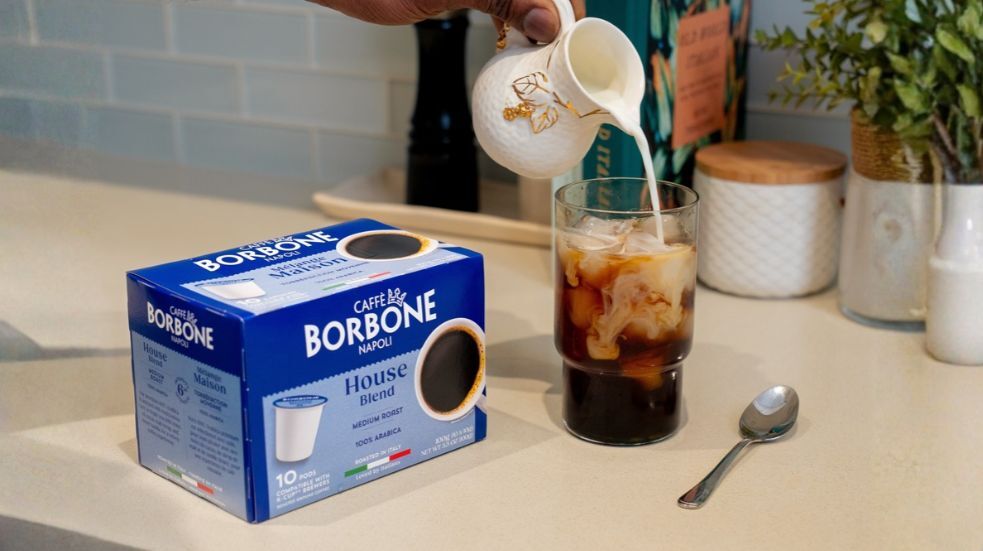
For an office meeting or a smaller gathering where guests arrive at different times, K-Cup® compatible pods offer an easy way to prepare individual cups without brewing a new pot.
Caffè Borbone offers K-Cup® compatible coffee in different blends, allowing guests to choose a flavor that suits their preferences. Just make sure your machine supports the pods you're using.
Nespresso® Original Line Compatible Capsules
If you're hosting a smaller coffee gathering with an espresso machine, Nespresso® Original Line compatible capsules can be useful for preparing individual espresso drinks.
These capsules are designed for compatible Original Line machines and are not compatible with Nespresso® Vertuo machines.
ESE Paper Pods
For gatherings where an ESE-compatible espresso machine is available, ESE 44 mm paper pods provide another convenient way to prepare individual espresso servings.
These options are particularly helpful when guests have different preferences or when you want to offer espresso alongside batch-brewed coffee.
The takeaway: Choose the brewing format that best fits your equipment, headcount, and serving style. For large groups that all want regular coffee at the same time, batch brewing is generally the simplest approach. For smaller gatherings or individual drink orders, single-serve options may offer more flexibility.
7. Common Mistakes to Avoid When Brewing Coffee for a Crowd
Even a simple brewing process can become frustrating when you're preparing coffee for dozens of people. Avoid these common mistakes to keep things running smoothly.
Guessing your measurements. Using too much or too little coffee can affect the flavor of the entire batch. Measure your coffee and water by weight whenever possible.
Ignoring your brewer's capacity. Overfilling a drip machine or pour-over brewer can lead to uneven extraction, spills, or brewing problems. Follow the equipment's recommended capacity.
Grinding too fine or too coarse. The appropriate grind depends on the brewing method. Standard drip coffee typically calls for a medium grind, while French press generally uses a coarser grind.
Leaving coffee on a hot plate for too long. Continued heating can make coffee taste stale or unpleasant. Use thermal carafes or insulated dispensers when possible.
Waiting until guests arrive to start brewing. If you're serving a large group, work backward from your planned serving time. Measure your coffee, prepare your station, and brew the first batch before guests begin lining up.
Forgetting about decaf. If your gathering includes guests with different caffeine preferences, having a decaffeinated option can make your coffee station more accommodating.
Frequently Asked Questions About Making Coffee for a Large Group
How much coffee do I need for 20 people?
For 20 people drinking one 8-ounce serving each, plan for approximately 4.73 liters of water and 316 grams of ground coffee at a 1:15 coffee-to-water ratio. If guests are likely to have seconds, increase the quantities accordingly.
How many scoops of coffee should I use for a crowd?
It depends on the size of your scoop and the amount of coffee you're brewing. A standard tablespoon of ground coffee often weighs around 5 grams, but this varies by grind and bean. A kitchen scale is more reliable for larger batches.
Can I make coffee ahead of time for a party?
Yes. You can prepare coffee shortly before guests arrive and store it in a preheated thermal carafe or insulated dispenser. For the best flavor, avoid leaving it on a hot plate for an extended period, and brew additional batches as needed.
What is the best coffee brewing method for 50 people?
A high-capacity drip brewer or commercial coffee urn is often the most practical choice for 50 people. The best option depends on the equipment available, how quickly you need to serve coffee, and whether guests will be drinking at the same time.
How do I make coffee for a large group without a commercial machine?
You can brew multiple batches using a home drip coffee maker, French press, or pour-over brewer. Transfer each finished batch to an insulated carafe, and plan your brewing schedule so that fresh coffee is available throughout the gathering.
How can I keep coffee warm for a party?
Use insulated thermal carafes or beverage dispensers, and transfer the coffee shortly after brewing. Preheating the containers can help retain heat, while brewing in smaller batches helps maintain flavor.
Make Every Gathering a Little More Enjoyable
Preparing coffee for a crowd doesn't have to be complicated. With a little planning, accurate measurements, and the right brewing method, you can serve flavorful coffee without spending the entire event in the kitchen.
Start by estimating how many servings you'll need, choose a coffee-to-water ratio that suits your taste, and select equipment that matches your group size. Keep the coffee insulated after brewing, make your serving station easy to navigate, and offer a few additions so guests can customize their cups.
Whether you're hosting a holiday brunch, welcoming family for the weekend, or preparing coffee for an office gathering, a good cup of coffee is a simple way to bring people together.
Explore Caffè Borbone's range of Italian coffee blends, ground coffee, whole beans, and compatible single-serve options to find the right coffee for your next gathering.
Because when there's good coffee to share, there's always room for one more cup.
READ MORE FROM THE BORBONE BLOG
|
→ The Ultimate Christmas Gift Guide for Coffee Lovers → How to Remove Coffee Stains from Furniture, Clothes, Rugs & More |