
The Difference Between Iced Coffee and Ice Latte
As spring turns to summer, iced coffee drinks become the go-to choice for staying cool and energized. But as you browse the menu at your local coffee shop, you might find yourself wondering "What's the difference between an iced latte and iced coffee?" While these two summer coffee drinks may look similar, they are actually quite different in flavor, preparation, texture, and caffeine content.
In this blog, we'll outline the difference between iced coffee and latte, so read on to learn more!
What Is Iced Coffee?
Iced coffee is brewed coffee that has been chilled and served over ice. Typically made using drip coffee or pour-over brewing methods, iced coffee highlights the natural flavors and aromas of coffee beans while offering a crisp, refreshing finish.
Quality iced coffee is usually brewed stronger with a higher ratio of coffee to water to account for dilution from melting ice. Some coffee lovers also use cold brew concentrate as a base for a smoother, less acidic iced coffee experience.

Flavor Profile of Iced Coffee
Iced coffee tends to have a bold, straightforward coffee flavor. Because it contains little to no milk, the taste of the beans takes center stage. Depending on the roast and brewing method, iced coffee can range from bright and citrusy to rich and chocolatey.
For those who enjoy the pure taste of coffee, iced coffee delivers a refreshing and uncomplicated experience.
Common Additions
Although many people drink iced coffee black, it’s easy to customize with:
-
- Milk or cream
- Flavored syrups
- Sweeteners
- Whipped cream
- Cold foam
Still, the foundation of iced coffee remains brewed coffee first.
What Is an Iced Latte?
An iced latte is an espresso-based beverage made with espresso, cold milk, and ice. Unlike iced coffee, which relies on brewed coffee (drip coffee), iced lattes are built around espresso shots.
Espresso has a more concentrated flavor and thicker body than drip coffee, giving iced lattes their signature creamy mouthfeel.

What is in an iced latte?:
-
- 1-2 shots of espresso
- Cold milk
- Ice
Because milk makes up the majority of the drink, iced lattes are generally creamier and milder than iced coffee.
Flavor Profile of an Iced Latte
Iced lattes offer a smoother, softer coffee experience. The milk balances the boldness of espresso, creating a rich and creamy drink with less bitterness. This makes iced lattes especially popular among people who prefer lighter coffee drinks or enjoy flavored beverages like vanilla, caramel, hazelnut, or mocha lattes.
Iced Coffee vs. Iced Latte: Key Differences
What's the difference between iced coffee and iced latte?
Although both coffee drinks are served cold, several important differences set them apart.
Brewing Method
The biggest distinction is how each drink is made.
-
- Iced coffee uses brewed coffee that has been cooled.
- Iced lattes uses a shot or two of espresso.
Since espresso is more concentrated than brewed coffee, iced lattes typically have a richer and creamier texture.
Milk Content
Iced coffee may include a splash of milk or cream, but it is primarily coffee-based.
An iced latte, on the other hand, contains a significant amount of milk. In many cases, milk makes up most of the beverage.
Texture
Iced coffee is lighter with more water, while iced lattes are creamier because of the milk and espresso combination.
Taste
-
- Iced coffee: Stronger coffee-forward flavor
- Iced latte: Milder, creamier, and slightly sweeter flavor
Caffeine Content
Many people assume espresso drinks always contain more caffeine, but that’s not necessarily true.
A standard iced coffee often contains more caffeine overall because brewed coffee is typically served in larger quantities. However, caffeine levels vary depending on the beans, roast, and preparation method.

Which Drink Is Stronger?
The answer depends on what “stronger” means to you.
If you mean stronger in flavor, iced lattes often taste richer because espresso is highly concentrated.
If you mean higher in caffeine, iced coffee may actually contain more caffeine per serving due to the larger amount of brewed coffee used.
For example:
-
- A medium iced coffee may contain 150-250 mg of caffeine.
- A typical iced latte with two espresso shots may contain 120-170 mg of caffeine.
Of course, exact caffeine levels vary by coffee shop and brewing style.
Which Is More Customizable?
Both beverages can be customized, but iced lattes are especially popular for flavored variations.
Common iced latte flavors include:
-
- Vanilla
- Caramel
- Mocha
- Brown sugar
- Pistachio
- Cinnamon
Iced coffee can also be flavored, but many coffee drinkers prefer it with minimal additions to preserve the natural coffee taste.
→ Shop Caffè Borbone Milk Frother
Is One Healthier Than the Other?
In their simplest forms, both iced coffee and iced lattes can fit into a balanced lifestyle. However, nutrition depends heavily on what’s added.
Iced Coffee
Plain iced coffee is naturally low in calories and contains virtually no sugar.
Iced Latte
Because iced lattes contain milk, they usually have more calories and carbohydrates than black iced coffee. Sweetened syrups and flavored sauces can increase sugar content even further.
That said, iced lattes can also provide calcium and protein depending on the type of milk used.
If you’re looking for a lighter option, unsweetened iced coffee may be the better choice. If you want a creamier and more satisfying drink, an iced latte may feel more indulgent.

What Is the Difference Between Cold Brew and Iced Coffee or Iced Lattes?
Many people also confuse cold brew with iced coffee and iced lattes.
Here’s a quick breakdown:
-
- Iced coffee: Brewed hot, then chilled and served over ice
- Cold brew: Steeped in cold water for 12-24 hours for a smoother flavor
- Iced latte: Espresso mixed with milk and ice
Cold brew tends to be smoother and less acidic than traditional iced coffee, while iced lattes remain creamier because of the milk.
Which Drink Should You Choose?
The best choice ultimately comes down to personal preference.
Choose iced coffee if you:
-
- Love bold coffee flavor
- Prefer lighter, less caloric beverages
- Want a refreshing caffeine boost
- Enjoy black coffee
Choose an iced latte if you:
-
- Prefer creamy coffee beverages
- Enjoy espresso-based drinks
- Like flavored coffee creations
- Want a smoother, milder taste
Neither option is inherently better — they are just different!
Tips for How to Make Iced Coffee at Home
Whether you prefer iced coffee or iced lattes, using quality coffee makes all the difference.
How to make ice coffee at home:
-
- Brew coffee slightly stronger than usual
- Cool the coffee before pouring over ice
- Use coffee ice cubes to avoid dilution
- Choose medium or dark roasts for richer flavor
How to make an iced latte at home:
-
- Use freshly brewed espresso whenever possible
- Froth milk for added texture
- Experiment with flavored syrups and milk alternatives
- Use high-quality espresso blends for balanced flavor
→ Shop All Caffè Borbone Coffee and Espresso
How to Make Iced Coffee from a Keurig®
If your Keurig® brewer features a Brew Over Ice setting, making iced coffee is simple. This specialized brewing mode starts with hot water to extract rich coffee flavor, then transitions to cooler water to reduce ice melt and prevent dilution. Just fill a tumbler with ice, insert your favorite Caffe Borbone Compatible K-Cup® pod, select the Brew Over Ice setting, and brew. Once ready, customize your drink with milk, sweeteners, or flavored syrups, and enjoy immediately for the freshest, most flavorful iced coffee experience.
If your Keurig® brewer doesn't have a Brew Over Ice setting, you can still make delicious iced coffee with a few simple adjustments. Fill a large tumbler with plenty of ice and brew your favorite Caffe Borbone Compatible K-Cup® pod using the smallest brew size available, which is usually 4oz or 6oz. This creates a more concentrated coffee that won't become overly diluted as the ice melts. For even bolder flavor, some coffee lovers brew two pods into the same cup. Once brewed, add milk, cream, sweeteners, or flavored syrups to taste and enjoy immediately. For the best results, choose a medium or dark roast coffee with a rich, full-bodied flavor that stands up well to ice.
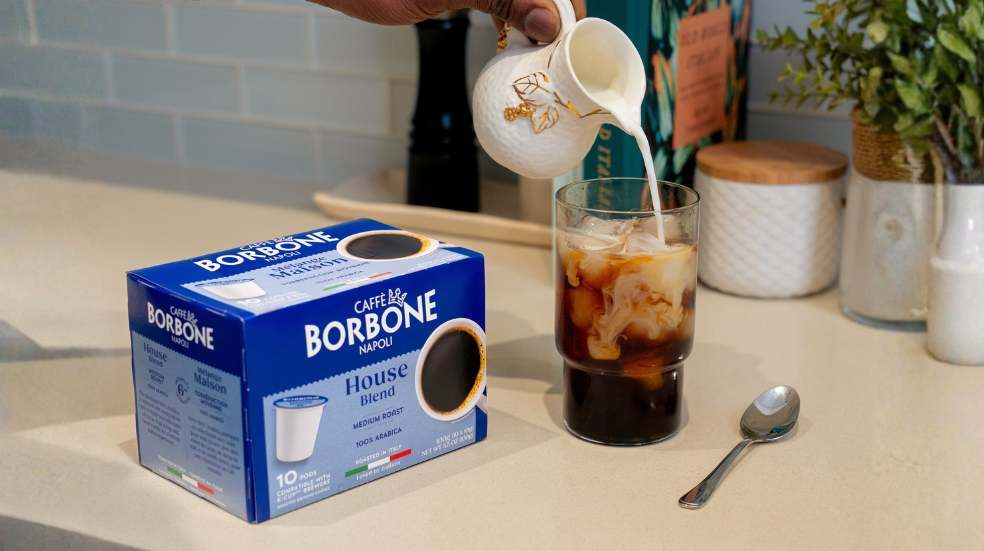
Iced coffee and iced lattes may share a similar appearance, but they offer two completely different coffee experiences.
Iced coffee is crisp, refreshing, and coffee-forward, making it ideal for those who love the authentic taste of brewed coffee. Iced lattes, meanwhile, are smooth, creamy, and espresso-driven, perfect for anyone who enjoys a softer and more indulgent drink.
No matter which you choose, both beverages are delicious ways to stay cool while enjoying your favorite coffee flavors all year long.
The next time you’re deciding between an iced coffee and an iced latte, you’ll know exactly what sets them apart — and which one best matches your mood.
READ MORE FROM THE BORBONE BLOG
→ Drip Coffee vs. Espresso: What's the difference?
→ Refreshing Orange Espresso Tonic Recipe
→ Summer Strawberry Iced Latte Recipe