
Coffee has become an essential part of American culture. Millions of Americans start their day with a cup of coffee, gather with friends to chat or co-work at coffee shops, or rely on iced lattes to power through busy afternoons. But coffee wasn't always America's favorite beverage.
So, when did Americans start drinking coffee? The story of coffee in American history is full of surprising twists. American coffee culture is closely tied to some of the nation's most significant historical events. From the political protests that helped spark the American Revolution to the resourcefulness displayed during the Great Depression and the creation of the Americano during World War II, keep reading to learn more about this fascinating timeline.
Before the Revolution: Tea Ruled the Colonies
During the colonial era, tea was the beverage of choice throughout much of North America. Influenced by British customs, colonists consumed large quantities of imported tea and viewed it as an important part of daily life.
Coffee was available in the colonies and could often be found in taverns and coffeehouses, but it remained secondary to tea in popularity. Coffeehouses served as gathering places where merchants, politicians, and intellectuals discussed business and current events, but tea still dominated American tables.
That would soon change.
1773: The Boston Tea Party Changes Everything
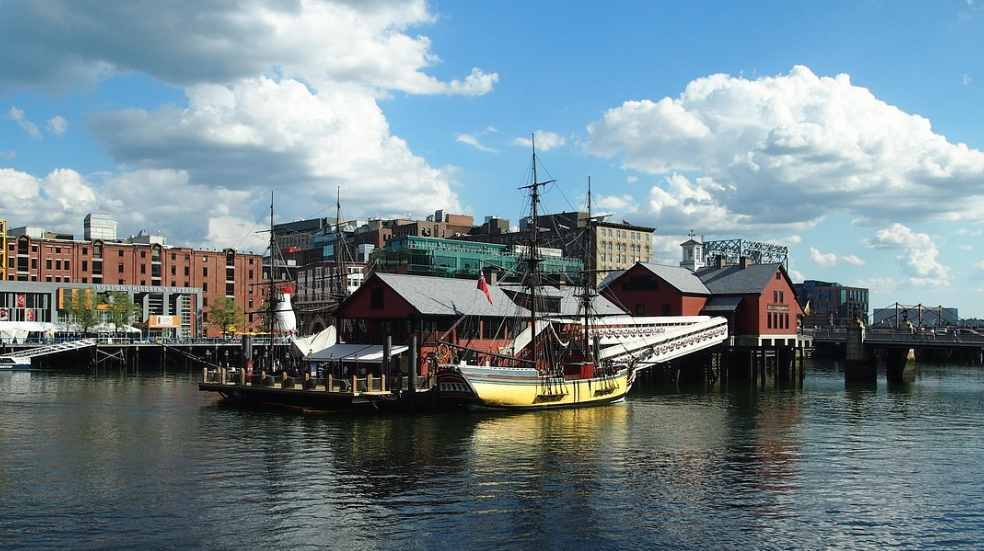
One of the most famous events in American history helped reshape the country's drinking habits.
In December 1773, colonists protested British taxation by boarding ships in Boston Harbor and dumping hundreds of chests of tea into the water during what became known as the Boston Tea Party. The event was a powerful symbol of resistance against British rule.
In the years that followed, tea became associated with Britain and loyalty to the Crown. Many American patriots began actively avoiding tea as an expression of their political beliefs.
Coffee emerged as a patriotic alternative.
Choosing coffee over tea became more than a matter of taste—it became a political statement. As revolutionary sentiment grew, so did coffee consumption. What began as a political act gradually evolved into a cultural preference that would shape American beverage habits for generations.
The 1800s: Coffee Becomes an American Staple
Following independence, coffee continued to gain popularity throughout the United States.
Advances in trade and transportation made coffee more widely available, while westward expansion introduced coffee-drinking traditions to new regions of the country. Soldiers, travelers, farmers, and laborers often relied on coffee as a source of comfort and energy during long days.
By the mid-19th century, coffee had firmly established itself as a household staple. Americans brewed coffee at home, served it during social gatherings, and packed it for journeys across the growing nation.
The beverage's reputation as both practical and comforting helped solidify its place in everyday American life.
The Civil War & Coffee's Growing Importance
Coffee became especially important during the American Civil War.
Union soldiers received coffee as part of their rations, and many considered it one of the most valuable supplies they received. Soldiers often brewed coffee whenever they had the opportunity, using it to stay alert and maintain morale during difficult conditions.
Some historians even credit coffee with helping shape military routines and camp culture during the war.
For many Americans, coffee became associated with endurance, resilience, and camaraderie—qualities that would continue to define its role in American life.
The Great Depression: Finding Comfort in Difficult Times
The stock market crash of 1929 ushered in one of the most challenging economic periods in American history. During the Great Depression, families searched for ways to stretch every dollar while maintaining familiar routines and comforts.
Coffee remained an important part of daily life, but many households had to become creative due to financial hardship.
One common practice involved reusing coffee grounds multiple times. While the resulting brew was often weaker, it allowed families to make their coffee supplies last longer.
→ Read about one of our favorite ways to reuse coffee grounds: DIY Espresso Powder
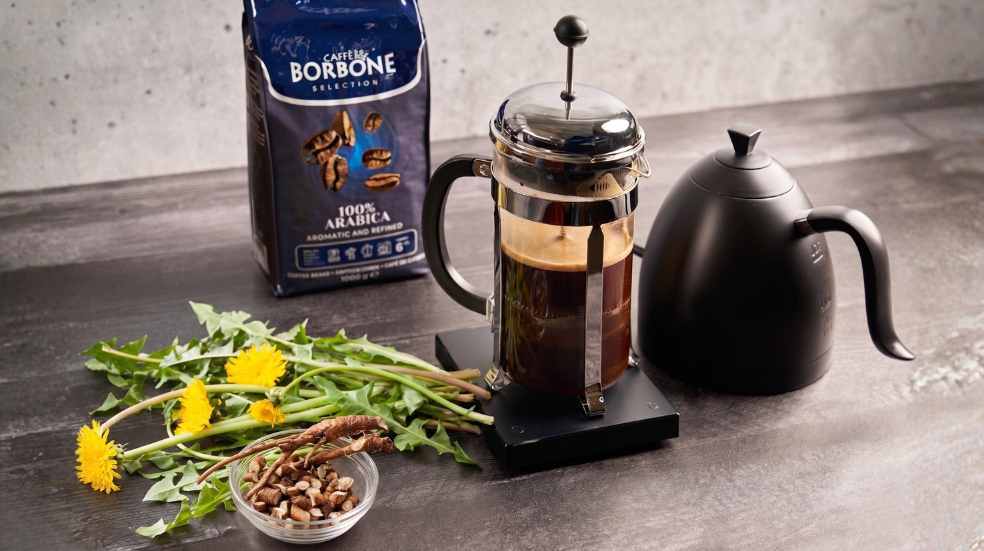
Others turned to coffee substitutes or extenders to reduce costs. Chicory root 'coffee' became one of the most popular additions. When roasted and brewed, chicory develops a rich, roasted flavor that can resemble coffee. Dandelion root was another commonly used substitute, offering a similarly earthy and robust taste.
Many families mixed dandelion root or chicory in coffee grounds to create beverages that retained some of coffee's familiar flavor while requiring less actual coffee. Dandelion root coffee and coffee with chicory helped preserve the comforting ritual of preparing and drinking a warm cup during uncertain times.
The Great Depression demonstrated something important about coffee culture: people weren't simply attached to caffeine. They were attached to the comfort, routine, and familiarity that coffee provided.
World War II and the Birth of the Americano
HISTORY OF AMERICANO COFFEE
Another pivotal chapter in coffee history unfolded during World War II.
When American soldiers arrived in Italy, many encountered authentic Italian espresso for the first time. While Italians appreciated espresso's concentrated intensity, many American servicemen found it far stronger than the coffee they were accustomed to drinking back home.
To make espresso more familiar, soldiers began diluting it with hot water. This created a beverage that retained espresso's flavor while resembling the larger cups of drip coffee popular in the United States.
Italian baristas noticed the trend and began referring to the drink as a "Caffè Americano," or simply an Americano. And the Americano was born.
Today, the Americano remains one of the world's most popular espresso beverages. Its origins serve as a reminder of how coffee traditions evolve when different cultures interact.
What began as a practical adaptation by American soldiers eventually became a permanent fixture in coffee shops around the globe.
The Modern American Coffee Culture
Following World War II, coffee consumption continued to rise throughout the United States. Automatic coffee makers, specialty coffee roasters, and eventually espresso-based café culture transformed the American coffee landscape.
Today's coffee drinkers enjoy an incredible variety of brewing methods and beverages, from classic drip coffee and cold brew to cappuccinos, lattes, and Americanos.
Despite these innovations, many of the themes that shaped coffee's history remain unchanged. Coffee continues to provide comfort during challenging times, bring people together socially, and serve as a daily ritual that helps people begin their day.
A Tradition That Continues Today
The history of coffee in America is a story of resilience, adaptation, and community.
From the political impact of the Boston Tea Party to the resourcefulness of families during the Great Depression with coffee from dandelion root or coffee and chicory, and the creation of the Americano by American soldiers in Italy, coffee has consistently reflected the needs and values of the people who drink it.
Today, every cup carries a small piece of that history. Whether you prefer a traditional drip coffee, a rich espresso, or a smooth Americano, you're participating in a tradition that has evolved alongside the nation itself.
And while brewing methods and preferences may change, one thing remains constant: coffee's unique ability to bring comfort, connection, and enjoyment to everyday life.
READ MORE COFFEE HISTORY FROM THE BORBONE BLOG
|
→ The Global History of Coffee |