
There’s nothing quite like pulling a perfect espresso shot and seeing a thick, golden layer of crema develop across the surface.
That characteristic layer of foam is created when hot water under pressure passes through finely ground coffee, releasing carbon dioxide and emulsifying coffee oils and other compounds. When a proper espresso shot is pulled well, the result is a rich, aromatic espresso with a smooth layer of espresso crema on top.
But if your espresso is coming out thin, pale or disappearing almost immediately, don't worry. A few small adjustments can make a big difference.
Here's how to achieve thicker, more consistent crema and perfect espresso at home.
What Is Crema in Espresso?
Crema is the golden-brown layer that forms on top of a freshly pulled shot of espresso.
During roasting, coffee beans develop and retain carbon dioxide. When you pull an espresso shot, the combination of hot water and pressure forces dissolved gases and coffee compounds out of the grounds. As the espresso reaches atmospheric pressure, the carbon dioxide comes out of solution and helps create the characteristic foam we know as crema of coffee.
The amount and appearance of crema can vary depending on several factors, including the coffee blend, freshness, grind size, dose, water temperature and extraction method.
And while a thick layer of crema can be a sign of a well-extracted espresso, more crema doesn't automatically mean a good espresso shot. Flavor and balance should always be the ultimate goal.
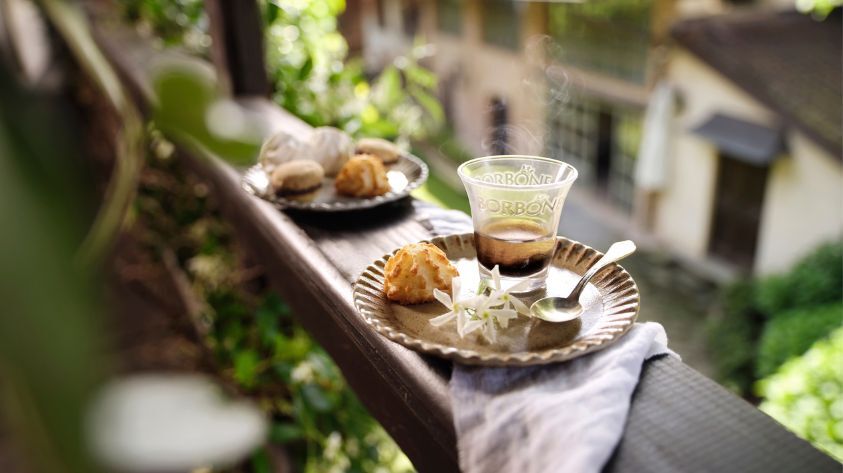
How to Make Perfect Espresso with Thick Crema
1. Choose Coffee That Preserves Its Freshness
One of the biggest factors in achieving beautiful crema is the freshness of your coffee.
After roasting, coffee gradually releases carbon dioxide, which plays an important role in crema formation. As coffee ages, it loses more of this gas, potentially resulting in a thinner layer of crema.
At Caffè Borbone, our coffee beans are packaged immediately after roasting to specifically preserve their freshness, aroma, and flavor. Proper packaging helps protect the coffee until it’s ready to be enjoyed in your cup.
For the best results, store your beans in an airtight container in a cool, dry place away from heat, light, and moisture. If you're grinding whole beans yourself, grind them just before brewing to help preserve their aroma and deliver the freshest flavor possible.
2. Choose the Right Espresso Coffee Blend
Your choice of coffee matters, too.
Robusta coffee generally produces more crema than Arabica because of differences in its chemical composition and structure. That's one reason traditional Neapolitan espresso blends often include Robusta. If you're looking for a particularly thick, persistent crema, try an espresso blend with a meaningful proportion of Robusta, such as Caffè Borbone's Espresso Intenso or Miscela Rossa.
If Robusta beans aren't your preferred choice, you can still achieve a beautiful crema with an Arabica-Robusta blend, such as Miscela Blu or Miscela Oro, or even a 100% Arabica blend.
3. Get the Grind Right
For traditional espresso, you need to use fine grind coffee, even finer than coffee used for drip brewing or French press. But there's a sweet spot.
If your grind is too coarse, water can pass through the coffee too quickly, resulting in a weak or under-extracted shot with less body.
If your grind is too fine, water may struggle to pass through the coffee evenly, potentially producing a slow, bitter or over-extracted shot.
If you're using a grinder with adjustable settings, you can experiment by making small changes rather than dramatically changing the grind all at once.
4. Use the Right Amount of Coffee
For a traditional double espresso, a common starting point is around 18 grams of ground coffee, although the appropriate dose depends on your basket and espresso machine.
Distribute the grounds evenly in the portafilter before tamping. An uneven bed of coffee can cause water to find paths of least resistance, resulting in uneven extraction.
5. Tamp Evenly
Once your coffee is distributed in the portafilter, tamp it firmly and evenly.
The goal isn't necessarily to tamp as hard as humanly possible. The important thing is creating a level, compact coffee bed so water can move through the grounds evenly.
Keep your wrist straight and apply consistent pressure.
A level tamp is more important than obsessing over a specific amount of force.
6. Pay Attention to Your Water
Water makes up the vast majority of an espresso shot, so the quality matters.
Use fresh, clean water and make sure your espresso machine is operating at the appropriate temperature.
For most traditional espresso machines, brewing temperature is generally around 90–96°C (194–205°F), although the ideal temperature varies depending on the machine and coffee.
If your machine allows you to control temperature, start within this range and adjust based on the flavor of your espresso.
7. Watch the Extraction
For a traditional double espresso, a useful starting point for pulling the shot is a 1:2 espresso brew ratio, such as:
18g coffee → 36g espresso in about 25–30 seconds
However, this espresso ratio should be considered a starting off point rather than a hard rule. Different coffees and machines may perform better with different ratios and extraction times.
Instead of focusing exclusively on the clock, pay attention to how the espresso looks and tastes.
You should see the espresso begin to flow in a thin, steady stream before developing into a rich golden-brown color.
8. Don't Focus on Crema Alone
A beautiful layer of crema is satisfying, but it isn't the only measure of a perfect cup of espresso.
A shot with abundant crema can still taste bitter, sour or unbalanced. Likewise, an espresso with a thinner crema can still taste delicious.
Think of crema coffee as one part of the espresso experience, not the entire test of quality.
If your espresso tastes balanced, aromatic and full-bodied, you're on the right track.
Still Not Getting the Coffee Espresso Crema You Want?
If you've adjusted your coffee, grind, dose and technique and you're still struggling to get consistent crema, your brewing method may simply be the variable.
That's where single-serve espresso options can make things easier.
Try ESE Paper Pods or Other Espresso Pods or Capsules
If traditional espresso preparation feels like a lot of variables to manage, espresso pods, like ESE 44mm paper pods or Nespresso capsules, can simplify the process.
READ MORE FROM THE BORBONE BLOG
|
→ A Guide to Light, Medium & Dark Roast Coffee |