
Coffee can be bold and concentrated, smooth and balanced, or light and delicate. It can be served in a small espresso cup, poured into a travel mug, or brewed ahead of time for a refreshing glass of cold brew. So, how many different ways are there to prepare coffee? More than you might think!
The brewing method you choose plays an important role in your coffee's flavor, aroma, body, and strength. Some methods use pressure to produce a concentrated espresso, while others rely on gravity, immersion, or cold water to extract flavor from ground coffee.
Whether you prefer traditional Italian espresso, a classic cup of drip coffee, or a refreshing cold brew, understanding the different coffee brewing methods can help you discover new favorites and get more out of your coffee at home.
Let's explore 12 popular ways to prepare coffee, how each method works, and what makes every cup unique.
1. Espresso: Bold, Concentrated Italian Coffee
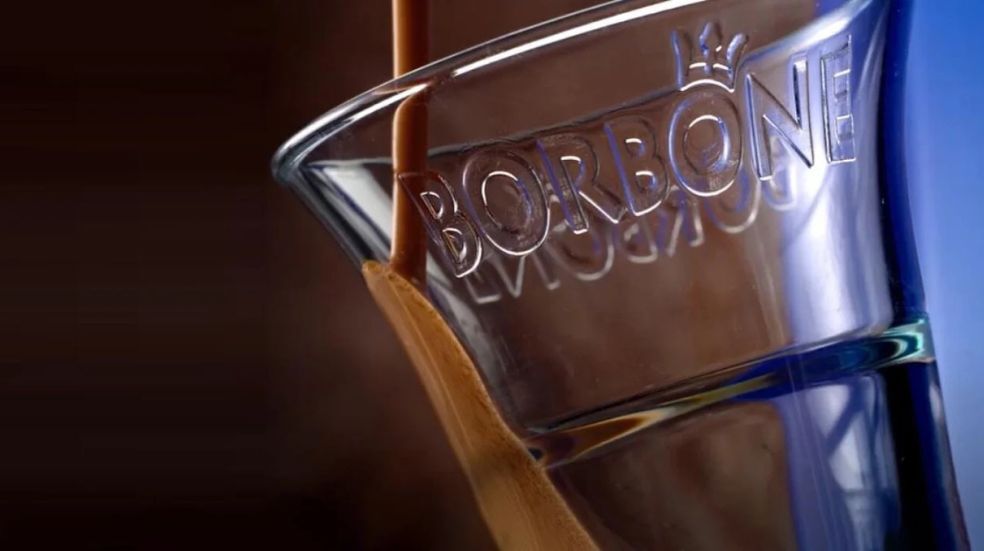
Espresso is one of the most recognizable coffee preparation methods, particularly in Italy, where it is an essential part of everyday coffee culture. It is made by forcing hot water through finely ground coffee under pressure, producing a small, concentrated serving with an intense aroma and a layer of crema on top.
A traditional espresso is typically served in a small cup. Despite its size, it delivers a complex combination of flavors, ranging from chocolate and caramel to roasted nuts, fruit, and subtle floral notes, depending on the coffee used.
What makes espresso unique?
- Brewing method: Hot water forced through finely ground coffee under pressure.
- Grind size: Fine.
- Flavor: Concentrated, aromatic, and often full-bodied.
- Equipment: Espresso machine or a compatible single-serve espresso system.
Espresso is also the foundation for many popular coffee drinks, including cappuccinos, lattes, Americanos, and macchiatos. The same espresso can taste very different depending on the blend, roast, grind size, and extraction.
For an espresso inspired by Neapolitan coffee culture, look for a blend that suits your preferred flavor profile. Robusta-forward blends can offer a bold, full-bodied cup with a rich crema, while Arabica-forward coffees often bring greater aromatic complexity and more pronounced fruity or floral notes.
Best for: Espresso lovers, cappuccinos, lattes, and other espresso-based drinks.
2. Moka Pot: A Classic Italian Coffee Tradition
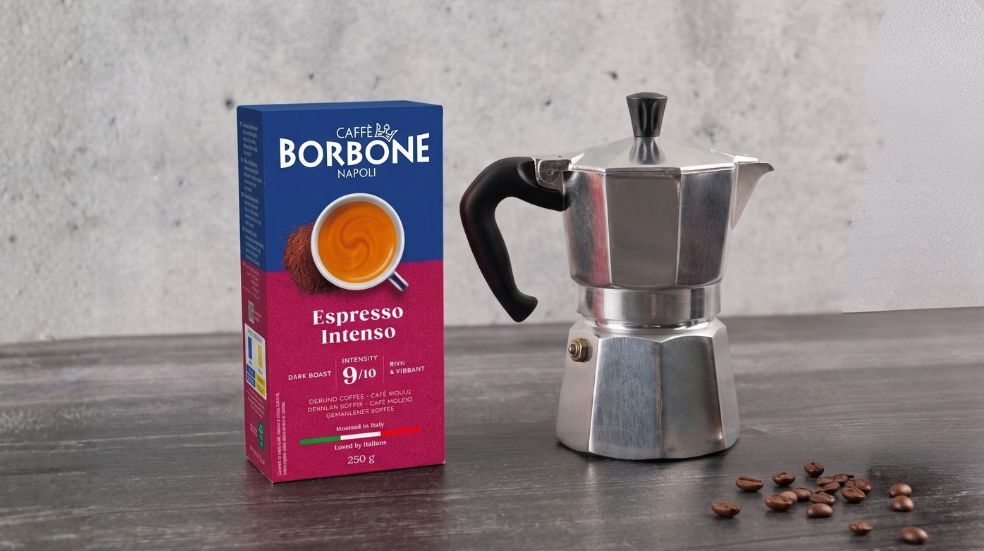
The Moka pot is a staple of Italian home coffee preparation. Invented in Italy in 1933, this stovetop brewer uses steam pressure to push hot water through ground coffee and into an upper chamber.
Although Moka pot coffee is often compared to espresso, the two methods are different. A Moka pot operates at much lower pressure than a traditional espresso machine, producing a concentrated, robust coffee without the same extraction process or characteristic crema.
How does a Moka pot work?
Water goes into the bottom chamber, ground coffee sits in the filter basket, and the assembled pot is placed on the stovetop. As the water heats, pressure moves it through the coffee grounds and into the upper chamber.
For the best results, use a medium-fine grind rather than the very fine grind typically used for espresso. Fill the filter basket evenly without compressing the grounds, and remove the pot from the heat when brewing is nearly complete to avoid overheating the coffee.
What does Moka pot coffee taste like?
Expect a concentrated cup with a rich aroma and a more pronounced body than many standard drip coffees. The exact flavor depends on the coffee blend and how the pot is used.
For a taste inspired by Italian home brewing, try a medium-dark or dark-roasted coffee with chocolate, toasted nut, or caramel notes.
Best for: People who enjoy strong coffee and want a traditional Italian brewing experience without an electric espresso machine.
3. The Neapolitan Flip Coffee Maker: Traditional Neapolitan Coffee
Before the Moka pot became a household favorite, the Neapolitan flip coffee maker, known as the cuccumella, was widely used to prepare coffee in Naples.
Unlike a Moka pot, which relies on steam pressure, the Neapolitan coffee maker uses gravity. Water is heated in one chamber, and the brewer is flipped over when the water is ready. The hot water then passes through the ground coffee and collects in the serving chamber.
This slower, gravity-driven process is closely associated with traditional Neapolitan coffee culture. It is valued by coffee enthusiasts who appreciate the ritual of preparing coffee as much as the finished cup.
What makes Neapolitan coffee different?
The brewing process is relatively gentle and does not use the pressure associated with espresso. Depending on the grind, coffee dose, and brewing time, the result can be aromatic and balanced, with a flavor profile shaped by the coffee itself.
How to prepare it: Add water to one chamber and ground coffee to the filter. Heat the brewer until the water is hot, then carefully invert it so the water passes through the grounds and collects in the lower chamber. Follow the instructions for your particular brewer, since designs can vary.
Best for: Coffee enthusiasts interested in traditional Neapolitan culture and hands-on brewing.
4. Drip Coffee: An Everyday American Favorite
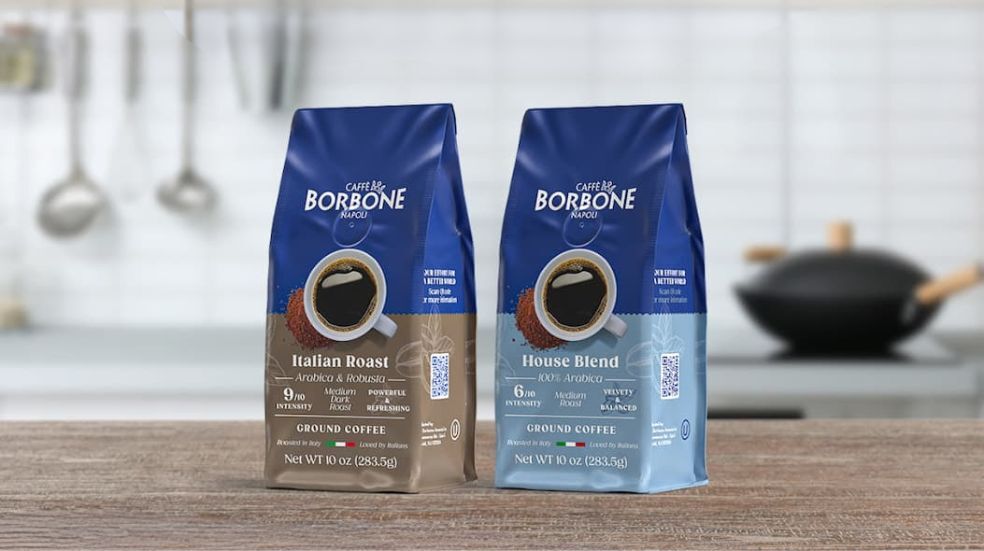
Drip coffee is one of the most familiar brewing methods in the United States. It is commonly prepared using an electric coffee maker that heats water and distributes it over ground coffee in a paper or reusable filter.
Gravity pulls the hot water through the grounds, extracting flavor as the coffee drips into a carafe or serving pot.
Compared with espresso or Moka pot coffee, drip coffee is typically served in a larger quantity and often has a lighter body. However, drip coffee can still be rich, aromatic, and flavorful. Its final taste depends on the coffee, grind size, water temperature, and brewing ratio.
What makes drip coffee unique?
- Brewing method: Hot water passes through ground coffee and a filter.
- Grind size: Medium.
- Flavor: Can range from light and delicate to bold and full-bodied.
- Equipment: Electric drip coffee maker and filter.
Paper filters retain many of the oils and fine particles found in ground coffee, producing a cleaner cup. Reusable metal filters generally allow more oils and fine particles through, creating a different texture.
Best for: Everyday coffee drinkers, households, and anyone who wants to prepare several cups at once.
5. Pour-Over Coffee: Precision and Control
Pour-over coffee uses the same basic principle as drip coffee, but the brewing process is controlled manually. Instead of an electric machine distributing water automatically, you pour hot water over ground coffee in a filter.
Popular pour-over brewers include the Hario V60 and Chemex. Their designs differ, but both allow you to influence the brewing process by adjusting the water flow, pouring technique, grind size, and brewing time.
Pour-over coffee is especially popular among people who enjoy exploring the nuances of different beans and roast profiles.
How to make pour-over coffee
- Place a filter in your brewer and rinse it with hot water if appropriate for the filter.
- Add freshly ground coffee.
- Slowly pour hot water over the grounds, starting with a small amount to allow the coffee to bloom.
- Continue pouring in controlled circles, keeping the grounds evenly saturated.
- Allow the coffee to finish draining before serving.
What does pour-over coffee taste like?
Pour-over coffee can highlight delicate aromas, fruit notes, floral characteristics, and subtle differences between coffees. The resulting cup is often clean and balanced, although its body and intensity depend on the beans and brewing recipe.
A 100% Arabica coffee can be an excellent choice for this method when you want to explore nuanced aromas and a balanced flavor profile.
Best for: Coffee enthusiasts who enjoy experimenting with brewing variables and tasting different coffees.
6. French Press: Full-Bodied Immersion Coffee
The French press is a popular brewing method that uses immersion rather than continuous water flow. Ground coffee steeps directly in hot water before a metal mesh plunger separates the brewed coffee from the grounds.
Because the French press does not typically use a paper filter, more of the coffee's natural oils and fine particles remain in the finished cup. This often gives the coffee a fuller body and a richer mouthfeel.
How to prepare French press coffee
- Add coarsely ground coffee to the empty French press.
- Pour in hot water, ensuring the grounds are evenly saturated.
- Allow the coffee to steep for approximately four minutes as a starting point.
- Slowly press the plunger down.
- Pour the coffee into your cup rather than leaving it in contact with the grounds for an extended period.
You can adjust the steeping time and coffee-to-water ratio to suit your preferences.
What does French press coffee taste like?
French press coffee often has a rounded texture and a pronounced coffee flavor. Depending on the beans, it can emphasize chocolate, toasted nuts, caramel, or fruit notes.
Best for: People who prefer full-bodied coffee and want a straightforward brewing method without paper filters.
7. AeroPress: A Versatile Way to Brew Coffee
The AeroPress is a compact brewer that combines immersion with pressure created by manually pressing a plunger. It is known for its versatility, portability, and relatively quick brewing process.
Unlike an espresso machine, an AeroPress does not generate the same brewing pressure. However, it can produce a concentrated coffee that works well on its own or as the base for milk-based drinks and Americanos.
Why choose an AeroPress?
- Brewing is relatively quick.
- The compact design makes it convenient for travel.
- You can experiment with different coffee doses, water temperatures, and steeping times.
- Paper filters can produce a clean cup, while compatible metal filters may allow more oils through.
A medium-fine grind is a useful starting point, but AeroPress recipes vary considerably. Some use short steeping times and concentrated brews, while others use longer immersion for a different flavor profile.
Best for: Travelers, small kitchens, and coffee lovers who enjoy experimenting with recipes.
8. Cold Brew: Smooth, Refreshing Coffee
Cold brew is prepared by steeping ground coffee in cool or room-temperature water for an extended period, often around 12–24 hours. The coffee is then filtered to remove the grounds.
Unlike iced coffee, which is usually brewed hot and cooled over ice, cold brew relies on a long extraction in cool water.
How to make cold brew at home
- Combine coarsely ground coffee with cool, filtered water in a clean container.
- Stir gently to ensure the grounds are fully saturated.
- Cover and steep in the refrigerator or at room temperature according to your recipe and food-safety practices.
- Filter the coffee thoroughly.
- Serve over ice, dilute with water or milk if desired, and refrigerate the finished coffee.
A common starting point is approximately one part coffee to eight parts water by weight, although ratios vary depending on whether you want a ready-to-drink brew or a more concentrated coffee.
What does cold brew taste like?
Cold brew often has a smooth, rounded flavor with less perceived acidity than some hot-brewed coffees. However, the result depends on the beans, water, steeping time, and concentration. Cold brew can still be strong and caffeinated, so serving size matters.
Best for: Iced coffee lovers, warm-weather refreshment, and people who want to prepare coffee in advance.
9. Iced Coffee: A Simple Hot-to-Cold Method
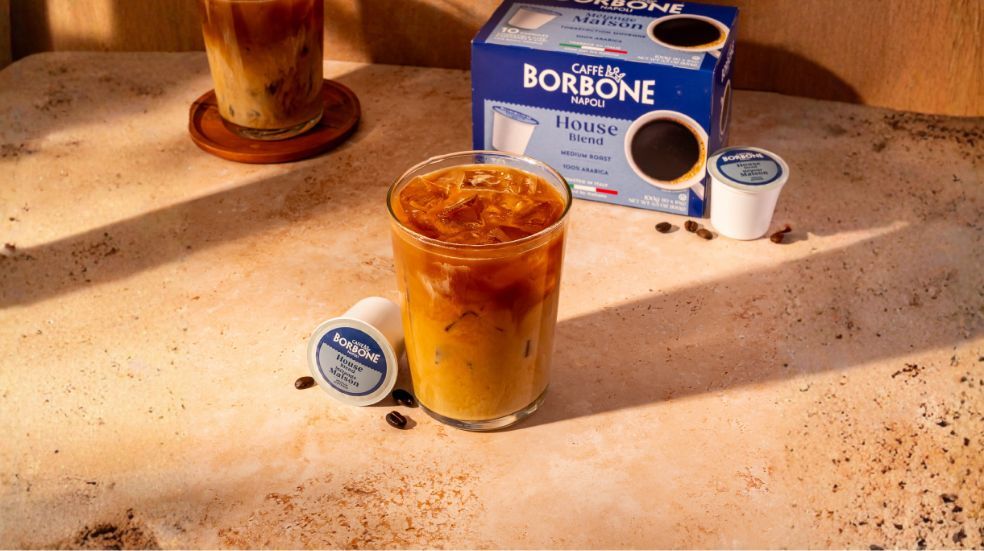
Iced coffee is typically made by brewing coffee with hot water and then cooling it before serving over ice. It can be prepared using drip coffee, pour-over, an espresso machine, or another hot-brewing method.
The key difference between iced coffee and cold brew is the extraction process: iced coffee starts with hot water, while cold brew uses cool water over a longer period.
How to make iced coffee
Brew your coffee slightly stronger than you normally would if you plan to pour it over plenty of ice. Let it cool, then serve over ice with milk, sweetener, or your favorite flavor additions.
Another option is Japanese-style flash-brewed coffee, in which hot coffee drips directly onto ice. The ice cools the coffee quickly, helping preserve its aroma while reducing the need for a separate cooling step.
For an iced latte, prepare espresso and combine it with cold milk and ice. The concentrated espresso flavor pairs well with both dairy and many plant-based milk alternatives.
Best for: People who enjoy chilled coffee drinks without waiting for a long cold-brew steep.
10. Turkish Coffee: A Traditional Brewing Method
Turkish coffee is prepared by simmering very finely ground coffee with water in a small pot called a cezve or ibrik. Sugar may be added during preparation, depending on personal preference and tradition.
The coffee grounds are not filtered out. Instead, they settle toward the bottom of the cup, creating a distinctive texture and a concentrated, aromatic drink.
How to prepare Turkish coffee
- Combine very finely ground coffee and cold water in a cezve.
- Add sugar if desired.
- Heat gently, watching for foam to develop as the coffee approaches a boil.
- Remove from the heat before it boils over, following a traditional preparation technique.
- Pour carefully into small cups and allow the grounds to settle before drinking.
Traditional recipes may involve returning the coffee to the heat more than once. Preparation methods vary by region and household.
What does Turkish coffee taste like?
Turkish coffee is intense, aromatic, and unfiltered, with a thick texture and a layer of fine grounds at the bottom of the cup.
Best for: Coffee drinkers interested in traditional preparation, strong flavors, and a slower coffee ritual.
11. Instant Coffee: Convenient and Easy to Prepare
Instant coffee offers one of the simplest ways to prepare a cup. It is made from brewed coffee that has been processed into soluble granules or powder, which dissolve in hot water.
Unlike methods that extract flavor from ground coffee during preparation, instant coffee has already been brewed during manufacturing. You simply add the appropriate amount to hot water and stir.
How to make instant coffee
Add the recommended quantity of instant coffee to a cup, pour in hot water, and stir until dissolved. Adjust the amount of coffee and water to achieve your preferred strength. You can also use instant coffee in iced drinks and recipes.
Instant coffee is convenient because it requires minimal equipment, produces little waste during preparation, and is easy to store.
What does instant coffee taste like?
Flavor varies by product and production method. Some instant coffees are light and mild, while others offer more roasted or intense characteristics.
Best for: Busy mornings, travel, office kitchens, and situations where convenience is the priority.
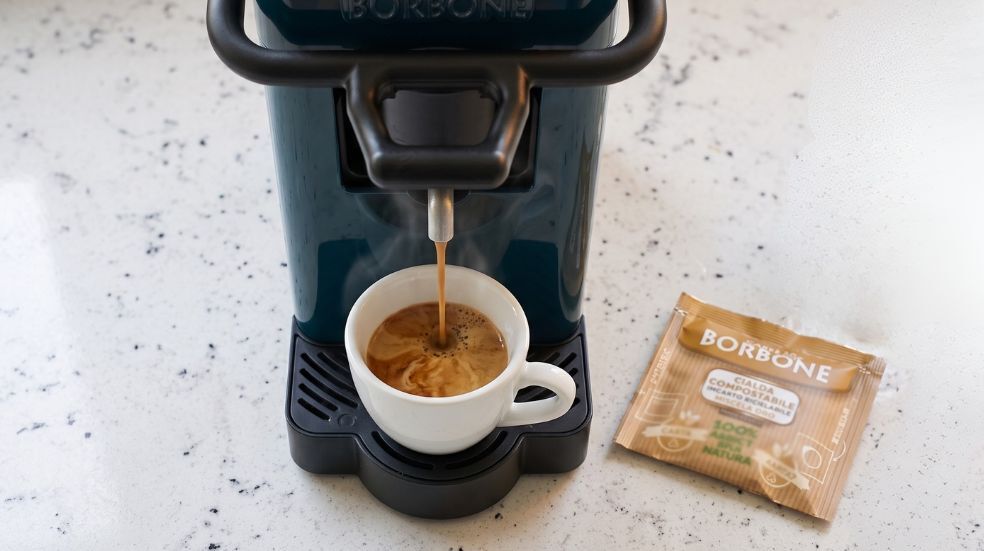
12. Single-Serve Coffee Pods and Capsules: Espresso and Coffee at Home
Single-serve coffee machines have made it easier to prepare a consistent cup without measuring loose coffee or cleaning a traditional brewer after every use. These systems use pre-portioned coffee pods or capsules designed for specific machines.
However, not all single-serve systems brew coffee in the same way. Espresso capsule machines use pressure to prepare concentrated coffee, while K-Cup-compatible brewers generally produce a larger cup using a drip-style brewing process.
ESE pods are another option, containing a pre-measured portion of ground coffee designed for compatible espresso machines.
What are the main types of coffee pods?
- Espresso capsules: Designed for compatible capsule machines that brew concentrated espresso-style coffee.
- K-Cup-compatible pods: Used in compatible single-serve brewers to prepare a larger cup of coffee.
- ESE pods: Paper-wrapped, pre-portioned coffee pods designed for compatible ESE espresso machines.
Why choose single-serve coffee?
Single-serve systems are convenient, offer repeatable portions, and make it easy to explore different blends without preparing a full pot. The coffee's flavor will depend on the blend, roast, serving size, and brewing system.
For example, Caffè Borbone offers different formats for different routines, from espresso capsules compatible with Nespresso Original machines to K-Cup-compatible coffee and ESE pods. Always check the specific product and machine compatibility before purchasing.
Best for: Busy households, convenient espresso at home, and coffee drinkers who want a quick, consistent serving.
How to Choose the Right Coffee Brewing Method
There is no single best way to make coffee. The right method depends on how you like your coffee to taste, how much time you have, and the equipment you own.
Here is a quick comparison to help you choose.
|
Brewing method |
Typical flavor and texture |
Equipment needed |
Best for |
|
Espresso |
Concentrated, aromatic, full-bodied |
Espresso machine |
Espresso and milk drinks |
|
Moka pot |
Robust, concentrated |
Stovetop Moka pot |
Italian-style home coffee |
|
Neapolitan coffee maker |
Aromatic, gravity-brewed |
Flip coffee maker |
Traditional Neapolitan coffee |
|
Drip coffee |
Balanced, easy to customize |
Drip coffee maker |
Multiple cups |
|
Pour-over |
Clean, nuanced |
Pour-over brewer and kettle |
Exploring flavor notes |
|
French press |
Full-bodied, rich texture |
French press |
Immersion brewing |
|
AeroPress |
Versatile, clean to concentrated |
AeroPress |
Travel and experimentation |
|
Cold brew |
Smooth, chilled |
Container and filter |
Make-ahead iced coffee |
|
Iced coffee |
Refreshing, customizable |
Brewer and ice |
Quick cold drinks |
|
Turkish coffee |
Intense, unfiltered |
Cezve or ibrik |
Traditional preparation |
|
Instant coffee |
Convenient, customizable |
Cup and hot water |
Fast preparation |
|
Coffee pods and capsules |
Depends on the system and blend |
Compatible machine |
Convenience and consistency |
Which brewing method makes the strongest coffee?
The answer depends on what you mean by strong. Espresso is highly concentrated, so it delivers an intense coffee flavor in a small serving. French press and Moka pot coffee can also taste robust and full-bodied, while drip coffee is typically served in a larger quantity.
Concentration, flavor intensity, and total caffeine are not the same thing. A large serving of drip coffee may contain more total caffeine than a single espresso, depending on the coffee dose and serving size.
Which coffee brewing method is best for beginners?
Drip coffee makers, French presses, and single-serve coffee machines are all approachable options. Each requires relatively little technique once you understand the basic instructions.
A Moka pot is also accessible, although it takes a little practice to manage heat and avoid over-extracting the coffee. Pour-over and espresso offer more opportunities to experiment with grind size, water temperature, and extraction.
Which brewing method is best for Arabica coffee?
Arabica coffee can work well with nearly every brewing method. Pour-over and drip coffee can highlight delicate aromas and nuanced flavors, while French press can emphasize body and mouthfeel. Espresso can bring together sweetness, acidity, and a concentrated aroma.
The best choice depends on the individual coffee rather than the species alone. Roast level, grind size, water quality, and brewing technique all influence the final cup.
How Coffee Beans Influence Your Brew
Choosing a brewing method is only one part of making a great cup of coffee. The beans themselves play an equally important role.
Two coffees prepared using the same equipment can taste very different because of their origin, variety, roast level, and blend composition.
Arabica vs. Robusta
Arabica and Robusta are two widely used coffee species, each offering different characteristics.
Arabica coffees are often associated with greater aromatic complexity, sweetness, and fruity or floral notes, although their flavor varies by origin and roast. Robusta coffees can contribute a stronger, more intense profile, often with earthy, woody, or chocolate-like notes, and they generally contain more caffeine by weight than Arabica.
Many traditional Italian espresso blends combine Arabica and Robusta to balance aromatic complexity with body and crema. Other coffees use 100% Arabica or 100% Robusta to emphasize a particular style.
Choosing the Right Coffee for Your Brewing Method
For a traditional Italian espresso, consider a blend that delivers the intensity and body you enjoy. If you prefer a more nuanced cup, a 100% Arabica coffee may be worth exploring.
Caffè Borbone's 100% Arabica blend offers a medium-roast profile with notes of dark chocolate, malt, and chestnuts, alongside floral and fruity undertones. Its balanced character makes it an option to explore across methods such as espresso, Moka pot, pour-over, French press, and drip coffee.
If you enjoy preparing coffee in different ways, whole beans offer flexibility because you can adjust the grind for each brewing method. Ground coffee and compatible pods or capsules provide convenient alternatives when you want to simplify your routine.
Discover Your Favorite Way to Make Coffee
From a concentrated Italian espresso to a refreshing glass of cold brew, every brewing method offers a different way to experience coffee. Some prioritize convenience, others give you greater control over extraction, and some preserve traditions that have been part of coffee culture for generations.
The best way to find your favorite is to experiment. Try the same coffee using two different methods, adjust your grind size, or explore a new blend to discover how the flavor changes.
Whether you prefer the ritual of a Moka pot, the precision of pour-over, or the convenience of single-serve capsules, a little experimentation can help you create a coffee routine that fits your taste and lifestyle.